Buy kalmykia.eu ?
We are moving the project
kalmykia.eu .
Are you interested in purchasing the domain
kalmykia.eu ?
domain@kv-gmbh.de · 0541-91531010
Buy kalmykia.eu ?
What is the difference between culture and tradition?
Culture refers to the beliefs, customs, arts, and social behaviors of a particular group of people, encompassing a broader range of practices and values. On the other hand, tradition specifically refers to the customs and practices that are passed down from generation to generation within a specific community or society. While culture is more dynamic and can evolve over time, traditions tend to be more static and rooted in history and heritage. **
What is the meaning of tradition, culture, and identity?
Tradition refers to the customs, beliefs, and practices that are passed down from generation to generation within a community or society. Culture encompasses the shared values, beliefs, and behaviors of a particular group of people, including their language, art, music, and social norms. Identity is the sense of self and belonging that is shaped by one's cultural background, traditions, and experiences. Together, tradition, culture, and identity form the foundation of a person's sense of belonging and connection to their community and heritage. **
Similar search terms for Macmillan
Top-Angebote
Products related to Macmillan:
-
Professor Margaret MacMillan & David Epstein War Professor Margaret MacMillan, Range David Epstein 2 Books SetDescription. War: How Conflict Shaped Us. The time since the Second World War has been seen by some as the longest uninterrupted period of harmony in human history: the 'long peace', as Stephen Pinker called it. But despite this, there has been a military conflict ongoing every year since 1945. The same can be said for every century of recorded history. Is war, therefore, an essential part of being human?In War, Professor Margaret MacMillan explores the deep links between society and war and the questions they raise. We learn when war began - whether among early homo sapiens or later, as we began to organise ourselves into tribes and settle in communities. We see the ways in which war reflects changing societies and how war has brought change - for better and worse..... Range:. You may have been taught that success in any field requires early specialization, and 10,000 hours of deliberate practice. If you only dabble or delay, you'll never catch up with those who got a head start. This is completely wrong.. In this landmark book, David Epstein shows you that the way to succeed is by sampling widely, gaining a breadth of experiences, taking detours, experimenting relentlessly and juggling many interests.. Title. War Professor Margaret MacMillan, Range David Epstein 2 Books Set. Delivery. Content. Reviews21,99 £*Shipping: 2,99 £Secure redirect to the provider
-
Professor Margaret MacMillan & Paul Beaver War Professor Margaret MacMillan,Cinderella Boys Leo McKinstry 2 Books SetDescription. War: How Conflict Shaped Us. The time since the Second World War has been seen by some as the longest uninterrupted period of harmony in human history: the 'long peace', as Stephen Pinker called it. But despite this, there has been a military conflict ongoing every year since 1945. The same can be said for every century of recorded history. Is war, therefore, an essential part of being human?In War, Professor Margaret MacMillan explores the deep links between society and war and the questions they raise. We learn when war began - whether among early homo sapiens or later, as we began to organise ourselves into tribes and settle in communities. We see the ways in which war reflects changing societies and how war has brought change - for better and worse..... Winkle: The Extraordinary Life of Britain’s Greatest Pilot..... Small in stature but immense in reputation and talent, there was more to Eric 'Winkle' Brown than met the eye.From shooting down Luftwaffe bombers from the deck of a carrier in the Battle of the Atlantic and narrowly escaping death when his ship was torpedoed, to accumulating a never-to-be repeated litany of world records and firsts as a test pilot, his unparalleled flying career saw him take the controls of over four hundred different kinds of aircraft - more than any other pilot in history.A rival to Chuck Yeager and hero to Neil Armstrong, by the time of his appearance on Desert Island Discs' 1000th episode Winkle had become a legend in his own lifetime..... Title. War Professor Margaret MacMillan,Cinderella Boys Leo McKinstry 2 Books Set. Delivery. Content. Reviews99,99 £*Shipping: 0,00 £Secure redirect to the provider


-
How do the semi-nomadic and semi-nomadic people live?
Semi-nomadic and semi-nomadic people live a lifestyle that combines elements of both settled and nomadic living. They may have a home base or settlement where they live for part of the year, engaging in agriculture or other settled activities. However, they also engage in nomadic practices such as herding animals or seasonal migration to take advantage of different resources. This lifestyle allows them to adapt to changing environmental conditions and maintain a balance between settled and nomadic ways of life. **
-
What is the connection between Buddhism, hair culture, and clothing?
Buddhism, hair culture, and clothing are interconnected through the concept of modesty and simplicity. In Buddhism, adherents often practice modesty and simplicity in their appearance, which can be reflected in their hair culture and clothing choices. For example, some Buddhist monks and nuns shave their heads as a symbol of renunciation of worldly attachments and to maintain simplicity. Additionally, Buddhist teachings emphasize the importance of modest and simple clothing, as a way to reduce attachment to material possessions and to promote humility. Overall, the connection between Buddhism, hair culture, and clothing lies in the shared values of modesty, simplicity, and detachment from worldly desires. **
-
What are nomadic peoples?
Nomadic peoples are communities or groups of people who do not have a fixed home and constantly move from place to place in search of resources such as food, water, and shelter. They typically live in temporary dwellings such as tents or portable huts and rely on herding animals or hunting and gathering for their sustenance. Nomadic lifestyles have been practiced for thousands of years by various cultures around the world, adapting to different environments and climates. **
-
What is nomadic livestock farming?
Nomadic livestock farming is a form of animal husbandry where herders move their livestock from one grazing area to another in search of fresh pasture and water. This practice is common in arid and semi-arid regions where vegetation is sparse and unpredictable. Nomadic herders rely on traditional knowledge and sustainable practices to ensure the well-being of their animals and to maintain a balance with the environment. This lifestyle has been practiced for centuries and is an integral part of the cultural identity of many communities around the world. **


Were there nomadic Germanic tribes?
Yes, there were nomadic Germanic tribes. The Germanic peoples were originally semi-nomadic, moving from place to place in search of better land for farming and grazing. They were known for their mobile lifestyle and often traveled with their herds of animals. However, as they settled in different regions of Europe, some Germanic tribes became more sedentary and established permanent settlements. **
What is a steppe landscape?
A steppe landscape is a vast, flat, grassy plain with few trees and a semi-arid climate. It is characterized by its dry and hot summers, and cold winters. Steppe landscapes are found in regions such as central Asia, eastern Europe, and parts of North America. The vegetation in a steppe landscape is mainly composed of grasses and shrubs, and it is an important habitat for various species of wildlife. **
Top-Angebote
Products related to Macmillan:
-
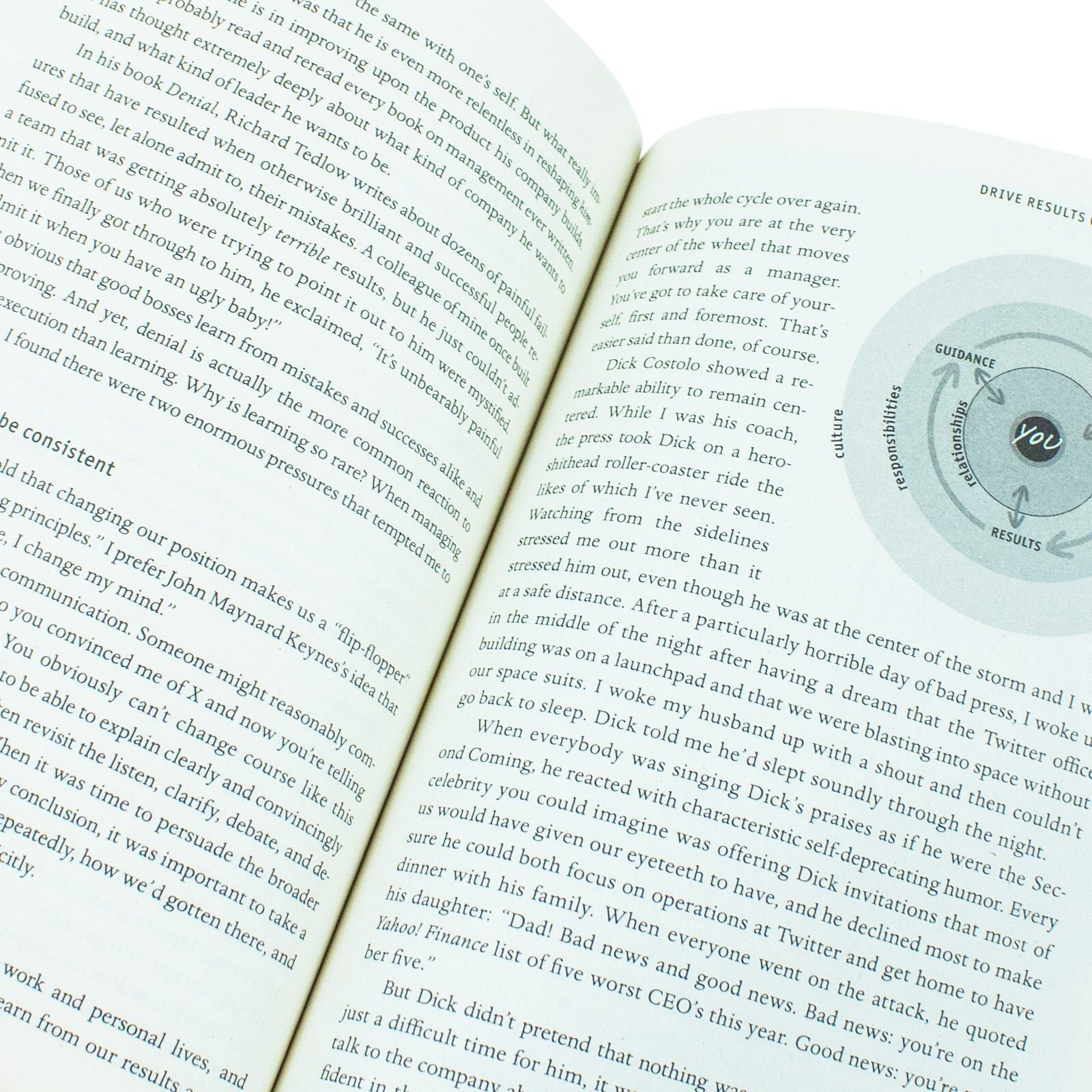
Pan Macmillan Radical Candor by Kim Scott The Bestselling Leadership Book - Management, Feedback & Workplace Culture BookRadical Candor by Kim Scott is a groundbreaking leadership and communication guide that teaches how to give feedback effectively, build trust, and create high-performing teams without becoming harsh—or avoiding difficult conversations. Based on Scott’s experience at Google, Apple and Silicon Valley startups, Radical Candor introduces a simple but powerful framework built on two pillars: Care Personally Challenge Directly The book provides practical tools for giving honest feedback, fostering open communication, strengthening working relationships, and becoming a more compassionate and impactful leader. Perfect for managers, team leaders, HR professionals, and anyone wanting to build a healthy, productive workplace culture. Radical Candor is the perfect handbook for those who are looking to find meaning in their job and create an environment where people love both their work and their colleagues, and are motivated to strive to ever greater success.2,99 £*Shipping: 1,99 £Secure redirect to the provider
-
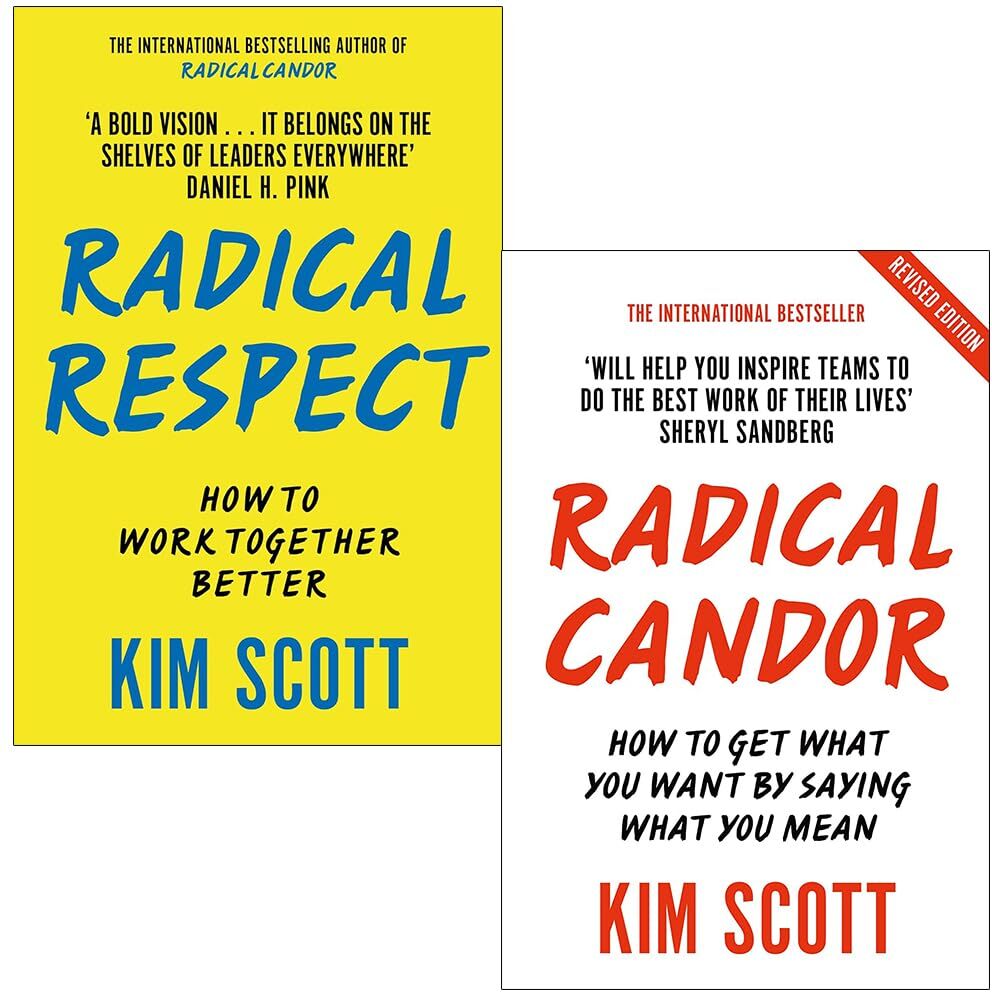
MACMILLAN Kim Scott Collection 2 Books Set Radical Respect & Radical Candor – Leadership, Communication & Workplace Culture GuidesThe Kim Scott Collection – 2 Books Set brings together two transformative leadership bestsellers: Radical Respect and Radical Candor. Written by acclaimed workplace expert Kim Scott, these books offer practical, honest, and empowering guidance for building stronger teams, better communication, and healthier workplace cultures. In Radical Candor, Scott introduces her now-famous framework:Care Personally + Challenge Directly.Learn how to deliver feedback effectively, build trust, and lead with clarity without becoming overly harsh or avoiding difficult conversations. In Radical Respect, Scott expands on inclusion, fairness, accountability and anti-bullying frameworks—showing readers how to build workplaces rooted in dignity, psychological safety, and genuine respect. Together, these books provide a complete roadmap for leaders, managers, HR teams and anyone who wants to communicate better, lead with courage, and create workplaces where people thrive.6,99 £*Shipping: 2,99 £Secure redirect to the provider
-
What is the difference between culture and tradition?
Culture refers to the beliefs, customs, arts, and social behaviors of a particular group of people, encompassing a broader range of practices and values. On the other hand, tradition specifically refers to the customs and practices that are passed down from generation to generation within a specific community or society. While culture is more dynamic and can evolve over time, traditions tend to be more static and rooted in history and heritage. **
-
What is the meaning of tradition, culture, and identity?
Tradition refers to the customs, beliefs, and practices that are passed down from generation to generation within a community or society. Culture encompasses the shared values, beliefs, and behaviors of a particular group of people, including their language, art, music, and social norms. Identity is the sense of self and belonging that is shaped by one's cultural background, traditions, and experiences. Together, tradition, culture, and identity form the foundation of a person's sense of belonging and connection to their community and heritage. **
-
How do the semi-nomadic and semi-nomadic people live?
Semi-nomadic and semi-nomadic people live a lifestyle that combines elements of both settled and nomadic living. They may have a home base or settlement where they live for part of the year, engaging in agriculture or other settled activities. However, they also engage in nomadic practices such as herding animals or seasonal migration to take advantage of different resources. This lifestyle allows them to adapt to changing environmental conditions and maintain a balance between settled and nomadic ways of life. **
-
What is the connection between Buddhism, hair culture, and clothing?
Buddhism, hair culture, and clothing are interconnected through the concept of modesty and simplicity. In Buddhism, adherents often practice modesty and simplicity in their appearance, which can be reflected in their hair culture and clothing choices. For example, some Buddhist monks and nuns shave their heads as a symbol of renunciation of worldly attachments and to maintain simplicity. Additionally, Buddhist teachings emphasize the importance of modest and simple clothing, as a way to reduce attachment to material possessions and to promote humility. Overall, the connection between Buddhism, hair culture, and clothing lies in the shared values of modesty, simplicity, and detachment from worldly desires. **
Similar search terms for Macmillan
-
Professor Margaret MacMillan & David Epstein War Professor Margaret MacMillan, Range David Epstein 2 Books SetDescription. War: How Conflict Shaped Us. The time since the Second World War has been seen by some as the longest uninterrupted period of harmony in human history: the 'long peace', as Stephen Pinker called it. But despite this, there has been a military conflict ongoing every year since 1945. The same can be said for every century of recorded history. Is war, therefore, an essential part of being human?In War, Professor Margaret MacMillan explores the deep links between society and war and the questions they raise. We learn when war began - whether among early homo sapiens or later, as we began to organise ourselves into tribes and settle in communities. We see the ways in which war reflects changing societies and how war has brought change - for better and worse..... Range:. You may have been taught that success in any field requires early specialization, and 10,000 hours of deliberate practice. If you only dabble or delay, you'll never catch up with those who got a head start. This is completely wrong.. In this landmark book, David Epstein shows you that the way to succeed is by sampling widely, gaining a breadth of experiences, taking detours, experimenting relentlessly and juggling many interests.. Title. War Professor Margaret MacMillan, Range David Epstein 2 Books Set. Delivery. Content. Reviews21,99 £*Shipping: 2,99 £Secure redirect to the provider
-
Professor Margaret MacMillan & Paul Beaver War Professor Margaret MacMillan,Cinderella Boys Leo McKinstry 2 Books SetDescription. War: How Conflict Shaped Us. The time since the Second World War has been seen by some as the longest uninterrupted period of harmony in human history: the 'long peace', as Stephen Pinker called it. But despite this, there has been a military conflict ongoing every year since 1945. The same can be said for every century of recorded history. Is war, therefore, an essential part of being human?In War, Professor Margaret MacMillan explores the deep links between society and war and the questions they raise. We learn when war began - whether among early homo sapiens or later, as we began to organise ourselves into tribes and settle in communities. We see the ways in which war reflects changing societies and how war has brought change - for better and worse..... Winkle: The Extraordinary Life of Britain’s Greatest Pilot..... Small in stature but immense in reputation and talent, there was more to Eric 'Winkle' Brown than met the eye.From shooting down Luftwaffe bombers from the deck of a carrier in the Battle of the Atlantic and narrowly escaping death when his ship was torpedoed, to accumulating a never-to-be repeated litany of world records and firsts as a test pilot, his unparalleled flying career saw him take the controls of over four hundred different kinds of aircraft - more than any other pilot in history.A rival to Chuck Yeager and hero to Neil Armstrong, by the time of his appearance on Desert Island Discs' 1000th episode Winkle had become a legend in his own lifetime..... Title. War Professor Margaret MacMillan,Cinderella Boys Leo McKinstry 2 Books Set. Delivery. Content. Reviews99,99 £*Shipping: 0,00 £Secure redirect to the provider
-
MACMILLAN Cemetery Boys by Aiden ThomasFrom the instant New York Times-bestelling author Aiden Thomas comes an LGBTQIA+ ghost story about magic, acceptance and what it means to be your true self. Yadriel has summoned a ghost, and now he can't get rid of him. In an attempt to prove himself a true brujo and gain his family's acceptance, Yadriel decides to summon his cousin's ghost and help him cross to the afterlife. But things get complicated when he accidentally summons the ghost of his high school's resident bad boy, Julian Diaz - and Julian won't go into death quietly. The two boys must work together if Yadriel is to move forward with his plan. But the more time Yadriel and Julian spend together, the harder it is to let each other go.7,49 £*Shipping: 2,99 £Secure redirect to the provider
-
What are nomadic peoples?
Nomadic peoples are communities or groups of people who do not have a fixed home and constantly move from place to place in search of resources such as food, water, and shelter. They typically live in temporary dwellings such as tents or portable huts and rely on herding animals or hunting and gathering for their sustenance. Nomadic lifestyles have been practiced for thousands of years by various cultures around the world, adapting to different environments and climates. **
-
What is nomadic livestock farming?
Nomadic livestock farming is a form of animal husbandry where herders move their livestock from one grazing area to another in search of fresh pasture and water. This practice is common in arid and semi-arid regions where vegetation is sparse and unpredictable. Nomadic herders rely on traditional knowledge and sustainable practices to ensure the well-being of their animals and to maintain a balance with the environment. This lifestyle has been practiced for centuries and is an integral part of the cultural identity of many communities around the world. **
-
Were there nomadic Germanic tribes?
Yes, there were nomadic Germanic tribes. The Germanic peoples were originally semi-nomadic, moving from place to place in search of better land for farming and grazing. They were known for their mobile lifestyle and often traveled with their herds of animals. However, as they settled in different regions of Europe, some Germanic tribes became more sedentary and established permanent settlements. **
-
What is a steppe landscape?
A steppe landscape is a vast, flat, grassy plain with few trees and a semi-arid climate. It is characterized by its dry and hot summers, and cold winters. Steppe landscapes are found in regions such as central Asia, eastern Europe, and parts of North America. The vegetation in a steppe landscape is mainly composed of grasses and shrubs, and it is an important habitat for various species of wildlife. **
* All prices are inclusive of VAT and, if applicable, plus shipping costs. The offer information is based on the details provided by the respective shop and is updated through automated processes. Real-time updates do not occur, so deviations can occur in individual cases. ** Note: Parts of this content were created by AI.