Buy kalmykia.eu ?
We are moving the project
kalmykia.eu .
Are you interested in purchasing the domain
kalmykia.eu ?
domain@kv-gmbh.de · 0541-91531010
Buy kalmykia.eu ?
What is the difference between culture and tradition?
Culture refers to the beliefs, customs, arts, and social behaviors of a particular group of people, encompassing a broader range of practices and values. On the other hand, tradition specifically refers to the customs and practices that are passed down from generation to generation within a specific community or society. While culture is more dynamic and can evolve over time, traditions tend to be more static and rooted in history and heritage. **
What is the meaning of tradition, culture, and identity?
Tradition refers to the customs, beliefs, and practices that are passed down from generation to generation within a community or society. Culture encompasses the shared values, beliefs, and behaviors of a particular group of people, including their language, art, music, and social norms. Identity is the sense of self and belonging that is shaped by one's cultural background, traditions, and experiences. Together, tradition, culture, and identity form the foundation of a person's sense of belonging and connection to their community and heritage. **


Similar search terms for Roost
Top-Angebote
Products related to Roost:
-
Mason Cash Home To Roost 30cm Round PlatterThis Mason Cash Home To Roost Round Platter is elegant and sophisticated and inspired by timeless Fresh provincial country kitchens. The subtle debossed heart motif set amongst neutral tones and a harmonious blend of matt and gloss finish with a hard wearing glaze to prevent chips. Made from durable and hard wearing stoneware this round platter is ideal for serving cakes and desserts for your guests at the table. Part of the Mason Cash Rustic Charm collection this round platter can be mixed and matched with other items in the range. Dishwasher safe for easy and convenient cleaning. Dimensions: 2(H) x 30(W) x 30(L)cm.15,75 £*Shipping: 3,50 £Secure redirect to the provider
-
Mason Cash Home to Roost S30 21cm Yellow Mixing BowlThe Home to Roost Size 30 Mixing Bowl brings cheerful colour and practical design to your baking, perfect for smaller batches or baking with children. Brighten your kitchen with this folk-inspired yellow bowl, featuring charming hen and cockerel motifs. Its light yet sturdy earthenware construction makes it easy to hold while mixing, while the distinct patterned exterior and rim offer a secure grip for confident baking. The shallow shape is ideal for kneading dough within the bowl, and its size suits smaller recipes or family baking sessions. Made from earthenware with a high-gloss, chip-resistant glaze, this bowl balances durability with classic style. Designed for everyday use and easy cleaning, it fits seamlessly into any kitchen collection. Capacity: 1.1 litres. Dimensions: 10(H) x 21(W) cm. Dishwasher safe.22,00 £*Shipping: 3,50 £Secure redirect to the provider
-
Touch of Class Ruler of the Roost Table Sculpture Multi Earth , Multi EarthThe dominant and imposing Ruler of the Roost governs over your home with bold authority. Polystone rooster sculpture has a sienna brown body with green feather markings and metal tail feathers in shades of green and brown. He is bent down pecking at...69,99 $*Shipping: 0,00 $Secure redirect to the provider




-
How do the semi-nomadic and semi-nomadic people live?
Semi-nomadic and semi-nomadic people live a lifestyle that combines elements of both settled and nomadic living. They may have a home base or settlement where they live for part of the year, engaging in agriculture or other settled activities. However, they also engage in nomadic practices such as herding animals or seasonal migration to take advantage of different resources. This lifestyle allows them to adapt to changing environmental conditions and maintain a balance between settled and nomadic ways of life. **
-
What is the connection between Buddhism, hair culture, and clothing?
Buddhism, hair culture, and clothing are interconnected through the concept of modesty and simplicity. In Buddhism, adherents often practice modesty and simplicity in their appearance, which can be reflected in their hair culture and clothing choices. For example, some Buddhist monks and nuns shave their heads as a symbol of renunciation of worldly attachments and to maintain simplicity. Additionally, Buddhist teachings emphasize the importance of modest and simple clothing, as a way to reduce attachment to material possessions and to promote humility. Overall, the connection between Buddhism, hair culture, and clothing lies in the shared values of modesty, simplicity, and detachment from worldly desires. **
-
What are nomadic peoples?
Nomadic peoples are communities or groups of people who do not have a fixed home and constantly move from place to place in search of resources such as food, water, and shelter. They typically live in temporary dwellings such as tents or portable huts and rely on herding animals or hunting and gathering for their sustenance. Nomadic lifestyles have been practiced for thousands of years by various cultures around the world, adapting to different environments and climates. **
-
What is nomadic livestock farming?
Nomadic livestock farming is a form of animal husbandry where herders move their livestock from one grazing area to another in search of fresh pasture and water. This practice is common in arid and semi-arid regions where vegetation is sparse and unpredictable. Nomadic herders rely on traditional knowledge and sustainable practices to ensure the well-being of their animals and to maintain a balance with the environment. This lifestyle has been practiced for centuries and is an integral part of the cultural identity of many communities around the world. **

Were there nomadic Germanic tribes?
Yes, there were nomadic Germanic tribes. The Germanic peoples were originally semi-nomadic, moving from place to place in search of better land for farming and grazing. They were known for their mobile lifestyle and often traveled with their herds of animals. However, as they settled in different regions of Europe, some Germanic tribes became more sedentary and established permanent settlements. **
What is a steppe landscape?
A steppe landscape is a vast, flat, grassy plain with few trees and a semi-arid climate. It is characterized by its dry and hot summers, and cold winters. Steppe landscapes are found in regions such as central Asia, eastern Europe, and parts of North America. The vegetation in a steppe landscape is mainly composed of grasses and shrubs, and it is an important habitat for various species of wildlife. **
Top-Angebote
Products related to Roost:
-
Mason Cash Home To Roost Batter BowlThe Mason Cash Home To Roost Batter Bowl is part of the joyful home to roost collection and features intricately embossed folk inspired hen and cockerel motifs on an yellow colour finish. Made from stoneware, the batter bowl is the perfect solution for mixing batter or whisking eggs, making it an essential item for the everyday baker. The strong handle provide a secure grip when mixing whilst the pouring lip allows the mix to be poured with precise control. The batter bowl is dishwasher, microwave and freezer safe, with a high-gloss glaze providing a beautiful finish and a chip resistant finish. Dimensions: 13(H) x 20(W) x 26(L)cm.21,70 £*Shipping: 3,50 £Secure redirect to the provider
-
Mason Cash Home To Roost Large Storage JarThe Mason Cash Home To Roost Large Storage Jar is part of the joyful home to roost collection and features intricately embossed folk inspired hen and cockerel motifs. Made from stoneware this storage jar is durable and features a hard wearing glaze making it prefect for everyday use. Ideal for tea, coffee and sugar or dry goods like rice or pasta. The airtight lid will keep the contents fresher for longer. The stylish design includes a band of green around the base. Dimensions: 19(H) x 13(W) x 13(L)cm.15,20 £*Shipping: 3,50 £Secure redirect to the provider
-
Mason Cash Home To Roost 30cm Round PlatterThis Mason Cash Home To Roost Round Platter is elegant and sophisticated and inspired by timeless Fresh provincial country kitchens. The subtle debossed heart motif set amongst neutral tones and a harmonious blend of matt and gloss finish with a hard wearing glaze to prevent chips. Made from durable and hard wearing stoneware this round platter is ideal for serving cakes and desserts for your guests at the table. Part of the Mason Cash Rustic Charm collection this round platter can be mixed and matched with other items in the range. Dishwasher safe for easy and convenient cleaning. Dimensions: 2(H) x 30(W) x 30(L)cm.15,75 £*Shipping: 3,50 £Secure redirect to the provider
-
Mason Cash Home to Roost S30 21cm Yellow Mixing BowlThe Home to Roost Size 30 Mixing Bowl brings cheerful colour and practical design to your baking, perfect for smaller batches or baking with children. Brighten your kitchen with this folk-inspired yellow bowl, featuring charming hen and cockerel motifs. Its light yet sturdy earthenware construction makes it easy to hold while mixing, while the distinct patterned exterior and rim offer a secure grip for confident baking. The shallow shape is ideal for kneading dough within the bowl, and its size suits smaller recipes or family baking sessions. Made from earthenware with a high-gloss, chip-resistant glaze, this bowl balances durability with classic style. Designed for everyday use and easy cleaning, it fits seamlessly into any kitchen collection. Capacity: 1.1 litres. Dimensions: 10(H) x 21(W) cm. Dishwasher safe.22,00 £*Shipping: 3,50 £Secure redirect to the provider
-
What is the difference between culture and tradition?
Culture refers to the beliefs, customs, arts, and social behaviors of a particular group of people, encompassing a broader range of practices and values. On the other hand, tradition specifically refers to the customs and practices that are passed down from generation to generation within a specific community or society. While culture is more dynamic and can evolve over time, traditions tend to be more static and rooted in history and heritage. **
-
What is the meaning of tradition, culture, and identity?
Tradition refers to the customs, beliefs, and practices that are passed down from generation to generation within a community or society. Culture encompasses the shared values, beliefs, and behaviors of a particular group of people, including their language, art, music, and social norms. Identity is the sense of self and belonging that is shaped by one's cultural background, traditions, and experiences. Together, tradition, culture, and identity form the foundation of a person's sense of belonging and connection to their community and heritage. **
-
How do the semi-nomadic and semi-nomadic people live?
Semi-nomadic and semi-nomadic people live a lifestyle that combines elements of both settled and nomadic living. They may have a home base or settlement where they live for part of the year, engaging in agriculture or other settled activities. However, they also engage in nomadic practices such as herding animals or seasonal migration to take advantage of different resources. This lifestyle allows them to adapt to changing environmental conditions and maintain a balance between settled and nomadic ways of life. **
-
What is the connection between Buddhism, hair culture, and clothing?
Buddhism, hair culture, and clothing are interconnected through the concept of modesty and simplicity. In Buddhism, adherents often practice modesty and simplicity in their appearance, which can be reflected in their hair culture and clothing choices. For example, some Buddhist monks and nuns shave their heads as a symbol of renunciation of worldly attachments and to maintain simplicity. Additionally, Buddhist teachings emphasize the importance of modest and simple clothing, as a way to reduce attachment to material possessions and to promote humility. Overall, the connection between Buddhism, hair culture, and clothing lies in the shared values of modesty, simplicity, and detachment from worldly desires. **
Similar search terms for Roost
-
Touch of Class Ruler of the Roost Table Sculpture Multi Earth , Multi EarthThe dominant and imposing Ruler of the Roost governs over your home with bold authority. Polystone rooster sculpture has a sienna brown body with green feather markings and metal tail feathers in shades of green and brown. He is bent down pecking at...69,99 $*Shipping: 0,00 $Secure redirect to the provider
-
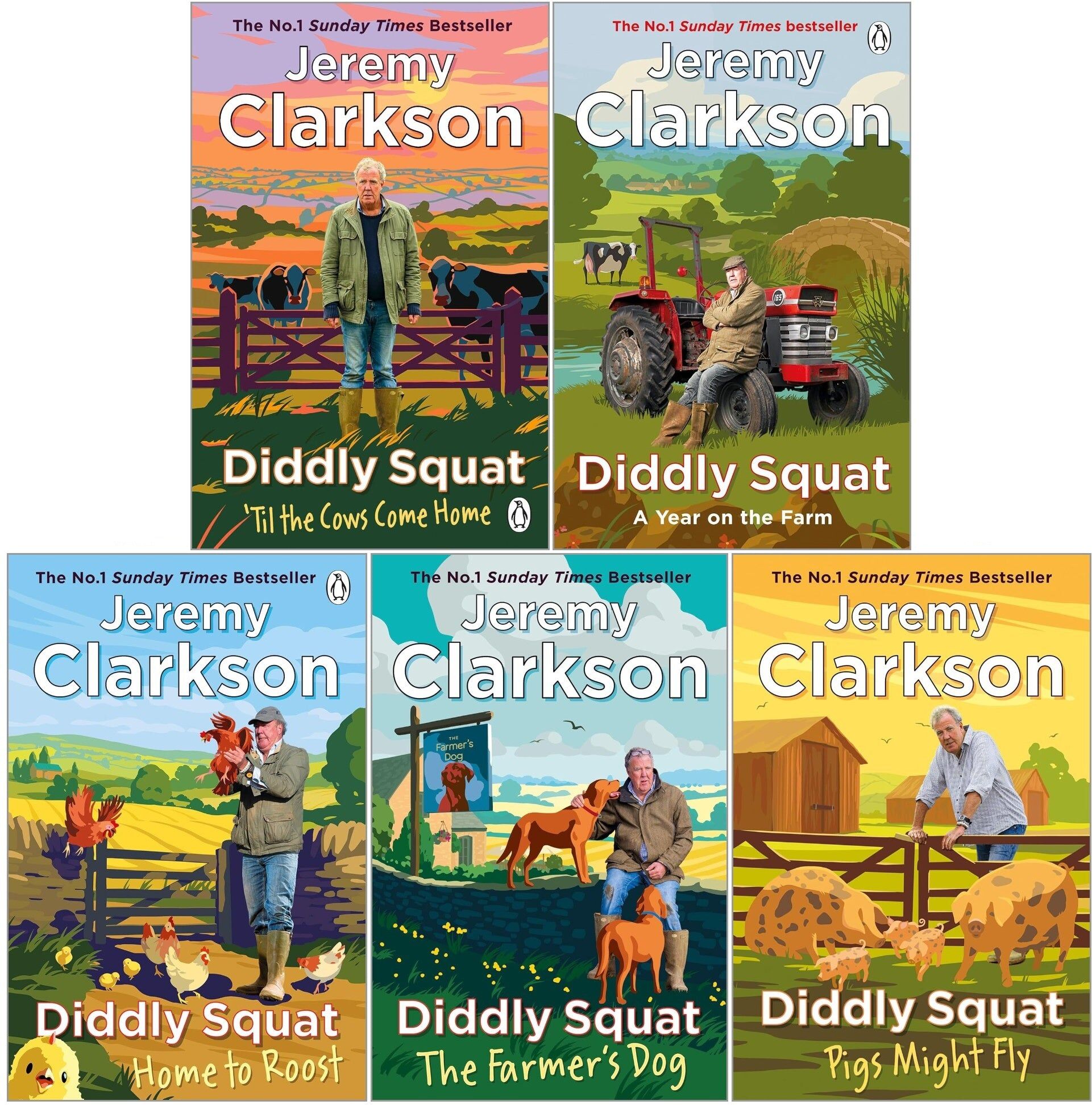
Penguin Diddly Squat Series 5 Books Collection Set By Jeremy Clarkson (A Year On The Farm, ‘Til The Cows Come Home, Pigs Might Fly, Home to Roost, The Farmer'Titles in this Set: 1. Diddly Squat: A Year On The Farm [Paperback] 2. Diddly Squat: ‘Til The Cows Come Home [Paperback] 3. Diddly Squat: Pigs Might Fly [Paperback] 4. Diddly Squat: Home to Roost [Paperback] 5. Diddly Squat: The Farmer's Dog [Paperback] Description: Diddly Squat: A Year On The Farm Welcome to Clarkson's farm. It's always had a nice ring to it. Jeremy just never thought that one day his actual job would be 'a farmer'. And, sadly, it doesn't mean he's any good at it. From buying the wrong tractor (Lamborghini, since you ask . . .) to formation combine harvesting, getting tied-up in knots of red tape to chasing viciously athletic cows, our hero soon learns that enthusiasm alone might not be enough. Diddly Squat: ‘Til The Cows Come Home Enthusiastic trainee farmer Jeremy Clarkson made just £144 in his first year at Diddly Squat Farm. This year he's determined to do better. Not because he now knows what he's doing. But because he's fed up of getting stick from Kaleb. Yet farming continues to be a challenge. Diddly Squat: Pigs Might Fly After three years, Jeremy Clarkson has discovered the golden rule of farming: whatever you hope will happen, won't. Enthusiastic schemes to diversify face defeat at the hands of the Council Planning department, or derision from Kaleb. Jeremy's plans for a business empire founded on rewilding and nettle soup are doubted by Lisa. And the stifling thickets of red tape keep only one person smiling – Cheerful Charlie, who charges by the hour. Diddly Squat: Home to Roost Welcome back to Clarkson’s Farm. The spring crop failed. Farming sheep, pigs and cows was hardly more lucrative (better off breeding ostriches…) But in the face of uncooperative weather, bureaucracy, and the world’s persistent refusal to recognise his genius, our hero’s not beaten yet. Not while the farm shop’s still doing a roaring trade in smelly candles, he isn’t. Diddly Squat: The Farmer's Dog Uncooperative animals, underperforming crops, and rather less than best-laid plans pursued with unbridled enthusiasm. Clarkson’s farm is the gift that keeps on giving. But, as one overseas visitor* admitted, he only came to Diddly Squat because he just didn’t believe that Jeremy could be so incompetent. Not one to be discouraged, however, our hero decides to bring his misunderstood entrepreneurial flair to bear on a new venture: a pub. And just a few short weeks later, the doors open on The Farmer’s Dog.32,99 £*Shipping: 2,99 £Secure redirect to the provider
-
What are nomadic peoples?
Nomadic peoples are communities or groups of people who do not have a fixed home and constantly move from place to place in search of resources such as food, water, and shelter. They typically live in temporary dwellings such as tents or portable huts and rely on herding animals or hunting and gathering for their sustenance. Nomadic lifestyles have been practiced for thousands of years by various cultures around the world, adapting to different environments and climates. **
-
What is nomadic livestock farming?
Nomadic livestock farming is a form of animal husbandry where herders move their livestock from one grazing area to another in search of fresh pasture and water. This practice is common in arid and semi-arid regions where vegetation is sparse and unpredictable. Nomadic herders rely on traditional knowledge and sustainable practices to ensure the well-being of their animals and to maintain a balance with the environment. This lifestyle has been practiced for centuries and is an integral part of the cultural identity of many communities around the world. **
-
Were there nomadic Germanic tribes?
Yes, there were nomadic Germanic tribes. The Germanic peoples were originally semi-nomadic, moving from place to place in search of better land for farming and grazing. They were known for their mobile lifestyle and often traveled with their herds of animals. However, as they settled in different regions of Europe, some Germanic tribes became more sedentary and established permanent settlements. **
-
What is a steppe landscape?
A steppe landscape is a vast, flat, grassy plain with few trees and a semi-arid climate. It is characterized by its dry and hot summers, and cold winters. Steppe landscapes are found in regions such as central Asia, eastern Europe, and parts of North America. The vegetation in a steppe landscape is mainly composed of grasses and shrubs, and it is an important habitat for various species of wildlife. **
* All prices are inclusive of VAT and, if applicable, plus shipping costs. The offer information is based on the details provided by the respective shop and is updated through automated processes. Real-time updates do not occur, so deviations can occur in individual cases. ** Note: Parts of this content were created by AI.