Buy kalmykia.eu ?
We are moving the project
kalmykia.eu .
Are you interested in purchasing the domain
kalmykia.eu ?
domain@kv-gmbh.de · 0541-91531010
Buy kalmykia.eu ?
Does adversity make a person stronger? If so, under what conditions?
Adversity can make a person stronger under certain conditions. When faced with challenges, individuals have the opportunity to develop resilience, problem-solving skills, and a greater sense of determination. However, the impact of adversity on strength also depends on the individual's support system, mindset, and ability to learn from the experience. Those who have access to support, maintain a positive outlook, and are able to find meaning in their struggles are more likely to emerge stronger from adversity. **
Is a friend always loved, but a brother is born for adversity?
While a friend is often chosen and loved for their companionship and support, a brother is born into a familial bond that is meant to withstand adversity. This proverb suggests that while friends may come and go, a brother is meant to be a constant source of support and strength during difficult times. It highlights the unique and enduring nature of the sibling relationship, which is often characterized by a deep sense of loyalty and commitment, especially in times of hardship. **


Similar search terms for Adversity
Top-Angebote
Products related to Adversity:
-
The Obstacle Is the Way: The Ancient Art of Turning Adversity to Advantage by Ryan HolidayDescription. Condition: BRAND NEW. Format: Paperback. OVER ONE MILLION COPIES SOLD. #1 Wall Street Journal Bestseller. 'Follow these precepts and you will revolutionize your life.' Steven Pressfield, author of The War of Art. 'A book for the bedside of every future - and current - leader in the world.' - Robert Greene, author of The 48 Laws of Power. The Obstacle is the Way has become a cult classic, beloved by men and women around the world who apply its wisdom to become more successful at whatever they do.. The book's many fans include a former governor and movie star (Arnold Schwarzenegger), a hip hop icon (LL Cool J), an Irish tennis pro (James McGee), the World Number 1 golfer (Rory McIlroy) and the coaches and players of winning teams like English Rugby National Team, the New England Patriots, Seattle Seahawks and Chicago Cubs.. The book draws its inspiration from stoicism, the ancient Greek philosophy of enduring pain or adversity with perseverance and resilience. Stoics focus on the things they can control, let go of everything else, and turn every new obstacle into an opportunity to get better, stronger, tougher. As Marcus Aurelius put it nearly 2000 years ago: 'The impediment to action advances action. What stands in the way becomes the way.'. Title. The Obstacle Is the Way: The Ancient Art of Turning Adversity to Advantage by Ryan Holiday. Delivery. Content. Reviews8,99 £*Shipping: 2,99 £Secure redirect to the provider
-
Dr Nadine Burke Harris The Deepest Well: Healing the Long-Term Effects of Childhood Adversity by Nadine Burke Harris - Non Fiction - PaperbackTitle:. The Deepest Well: Healing the Long-Term Effects of Childhood Adversity Condition: BRAND NEW. Format: Paperback. ISBN: Overview:. When a preschooler arrives in clinic with a visible spark of health but fails to grow in stature, a remarkable truth emerges: stress in early life can lay down lifelong health patterns. The Deepest Well by Dr Nadine Burke Harris dives into this revelation with rigor, empathy, and accessible storytelling. Drawing on decades of pediatric practice and groundbreaking research, Burke Harris explains how chronic, unrelenting stress in childhood—often invisible in daily life—becomes what she calls “toxic stress.” This state reshapes the developing brain, immune system, and hormonal pathways, setting the stage for health issues from obesity to heart disease years later. Yet the book is not foreboding; it’s a practical guide for parents, educators, and clinicians who want to interrupt these trajectories. It translates scientific concepts into everyday actions—how to reduce exposure to harm, secure stable relationships, and foster resilience. Through compelling case studies and clear, jargon-free explanations, readers discover why early experiences matter so profoundly and how communities can heal children by addressing the adversity they face at home, in school, and in society. What Makes This Book Stand Out:. This work stands out because it makes intricate neuroscience tangible for a broad audience. Burke Harris pairs memorable stories from her clinic with concise, evidence-based explanations of how stress hormones and neural development intersect with physical health. The Deepest Well is equally a personal narrative and a public health manifesto: it invites readers to act—parents to build nurturing routines, teachers to spot stress signals early, and policymakers to invest in prevention and support systems. The book’s strength lies in offering concrete, doable steps—daily habits that reduce fear, instability, and isolation; community-minded strategies that connect families to resources; and an emphasis on protective factors such as stable caregiving, predictable days, and compassionate listening. It reframes adversity not as destiny but as a solvable health challenge, turning fear into informed action and hope into practical plan. Who This Book Is Perfect For:. If you’re a parent seeking clear, science-backed guidance on how childhood experiences shape lifelong health, this book speaks directly to you. It also serves educators, pediatricians, social workers, and early-intervention professionals who want to recognize the signs of chronic stress and respond with strategies that support learning and development. Readers curious about public health, neuroscience, or psychology will appreciate the accessible bridge between the bedside and the classroom. This is a vital read for anyone preparing to nurture a child through difficult circumstances—from families facing daily stress to communities advocating for safer, more...14,99 £*Shipping: 2,99 £Secure redirect to the provider


-
What is the difference between culture and tradition?
Culture refers to the beliefs, customs, arts, and social behaviors of a particular group of people, encompassing a broader range of practices and values. On the other hand, tradition specifically refers to the customs and practices that are passed down from generation to generation within a specific community or society. While culture is more dynamic and can evolve over time, traditions tend to be more static and rooted in history and heritage. **
-
What is the meaning of tradition, culture, and identity?
Tradition refers to the customs, beliefs, and practices that are passed down from generation to generation within a community or society. Culture encompasses the shared values, beliefs, and behaviors of a particular group of people, including their language, art, music, and social norms. Identity is the sense of self and belonging that is shaped by one's cultural background, traditions, and experiences. Together, tradition, culture, and identity form the foundation of a person's sense of belonging and connection to their community and heritage. **
-
How do the semi-nomadic and semi-nomadic people live?
Semi-nomadic and semi-nomadic people live a lifestyle that combines elements of both settled and nomadic living. They may have a home base or settlement where they live for part of the year, engaging in agriculture or other settled activities. However, they also engage in nomadic practices such as herding animals or seasonal migration to take advantage of different resources. This lifestyle allows them to adapt to changing environmental conditions and maintain a balance between settled and nomadic ways of life. **
-
What is the connection between Buddhism, hair culture, and clothing?
Buddhism, hair culture, and clothing are interconnected through the concept of modesty and simplicity. In Buddhism, adherents often practice modesty and simplicity in their appearance, which can be reflected in their hair culture and clothing choices. For example, some Buddhist monks and nuns shave their heads as a symbol of renunciation of worldly attachments and to maintain simplicity. Additionally, Buddhist teachings emphasize the importance of modest and simple clothing, as a way to reduce attachment to material possessions and to promote humility. Overall, the connection between Buddhism, hair culture, and clothing lies in the shared values of modesty, simplicity, and detachment from worldly desires. **

What are nomadic peoples?
Nomadic peoples are communities or groups of people who do not have a fixed home and constantly move from place to place in search of resources such as food, water, and shelter. They typically live in temporary dwellings such as tents or portable huts and rely on herding animals or hunting and gathering for their sustenance. Nomadic lifestyles have been practiced for thousands of years by various cultures around the world, adapting to different environments and climates. **
What is nomadic livestock farming?
Nomadic livestock farming is a form of animal husbandry where herders move their livestock from one grazing area to another in search of fresh pasture and water. This practice is common in arid and semi-arid regions where vegetation is sparse and unpredictable. Nomadic herders rely on traditional knowledge and sustainable practices to ensure the well-being of their animals and to maintain a balance with the environment. This lifestyle has been practiced for centuries and is an integral part of the cultural identity of many communities around the world. **
Top-Angebote
Products related to Adversity:
-
Piatkus What Doesn't Kill Us: A Guide To Overcoming Adversity And Moving Forward - Non Fiction - PaperbackTitle:. What Doesn’t Kill Us: A Guide To Overcoming Adversity And Moving Forward Condition: Omitted. Format: Paperback. ISBN: Omitted Overview:. This substantial paperback serves as a comprehensive psychological handbook for anyone navigating periods of profound uncertainty, personal crisis, or long-term stress. Rather than relying on superficial motivation, the text delivers a structured pathway for processing trauma, dismantling limiting beliefs, and reconstructing a purposeful life trajectory. Readers are guided through foundational concepts before advancing into targeted interventions designed to restore agency and emotional equilibrium. The narrative maintains a grounded, clinically informed tone throughout, balancing empathy with direct actionable advice. Each chapter builds logically upon the last, transforming overwhelming emotional baggage into usable strength. Whether recovering from acute loss or simply seeking resilience training, this guide functions as both a diagnostic tool and a practical playbook. Its accessible structure ensures that complex therapeutic concepts are translated into daily routines, making sustained personal growth entirely achievable for first-time readers and seasoned self-development enthusiasts alike. What Makes This Book Stand Out:. Unlike conventional self-help publications that prioritise quick fixes, this volume operates on a foundation of integrated cognitive behavioural strategies and documented recovery frameworks. The standout feature is its progressive exercise system, which gradually shifts readers from passive reflection to active implementation. Instead of offering vague encouragement, the text provides concrete methodologies for rewiring stress responses, establishing protective boundaries, and measuring incremental progress. Real-world case studies are woven seamlessly into the theoretical material, demonstrating how abstract psychological models translate into tangible life changes. The guide also addresses the critical phase of post-recovery maintenance, offering systems for preventing regression when facing new stressors. This methodical, scaffolded approach ensures that readers develop lasting adaptive skills rather than temporary relief. Who This Book Is Perfect For:. This collection is specifically calibrated for adults currently navigating significant life transitions, professionals experiencing sustained workplace pressure, and individuals rebuilding their sense of identity after unexpected setbacks. Mental health students, coaches, and therapists will also find it to be a valuable supplementary resource for client guidance or personal continuing education. Beginners in psychology will appreciate the jargon-free explanations, while experienced readers will benefit from the advanced coping architectures. It is equally suited for solitary reading sessions, household discussions around wellness, or professional development workshops focused on emotional intelligence and stress management....12,99 £*Shipping: 2,99 £Secure redirect to the provider
-
The Obstacle Is the Way: The Ancient Art of Turning Adversity to Advantage by Ryan HolidayDescription. Condition: BRAND NEW. Format: Paperback. OVER ONE MILLION COPIES SOLD. #1 Wall Street Journal Bestseller. 'Follow these precepts and you will revolutionize your life.' Steven Pressfield, author of The War of Art. 'A book for the bedside of every future - and current - leader in the world.' - Robert Greene, author of The 48 Laws of Power. The Obstacle is the Way has become a cult classic, beloved by men and women around the world who apply its wisdom to become more successful at whatever they do.. The book's many fans include a former governor and movie star (Arnold Schwarzenegger), a hip hop icon (LL Cool J), an Irish tennis pro (James McGee), the World Number 1 golfer (Rory McIlroy) and the coaches and players of winning teams like English Rugby National Team, the New England Patriots, Seattle Seahawks and Chicago Cubs.. The book draws its inspiration from stoicism, the ancient Greek philosophy of enduring pain or adversity with perseverance and resilience. Stoics focus on the things they can control, let go of everything else, and turn every new obstacle into an opportunity to get better, stronger, tougher. As Marcus Aurelius put it nearly 2000 years ago: 'The impediment to action advances action. What stands in the way becomes the way.'. Title. The Obstacle Is the Way: The Ancient Art of Turning Adversity to Advantage by Ryan Holiday. Delivery. Content. Reviews8,99 £*Shipping: 2,99 £Secure redirect to the provider
-
Dr Nadine Burke Harris The Deepest Well: Healing the Long-Term Effects of Childhood Adversity by Nadine Burke Harris - Non Fiction - PaperbackTitle:. The Deepest Well: Healing the Long-Term Effects of Childhood Adversity Condition: BRAND NEW. Format: Paperback. ISBN: Overview:. When a preschooler arrives in clinic with a visible spark of health but fails to grow in stature, a remarkable truth emerges: stress in early life can lay down lifelong health patterns. The Deepest Well by Dr Nadine Burke Harris dives into this revelation with rigor, empathy, and accessible storytelling. Drawing on decades of pediatric practice and groundbreaking research, Burke Harris explains how chronic, unrelenting stress in childhood—often invisible in daily life—becomes what she calls “toxic stress.” This state reshapes the developing brain, immune system, and hormonal pathways, setting the stage for health issues from obesity to heart disease years later. Yet the book is not foreboding; it’s a practical guide for parents, educators, and clinicians who want to interrupt these trajectories. It translates scientific concepts into everyday actions—how to reduce exposure to harm, secure stable relationships, and foster resilience. Through compelling case studies and clear, jargon-free explanations, readers discover why early experiences matter so profoundly and how communities can heal children by addressing the adversity they face at home, in school, and in society. What Makes This Book Stand Out:. This work stands out because it makes intricate neuroscience tangible for a broad audience. Burke Harris pairs memorable stories from her clinic with concise, evidence-based explanations of how stress hormones and neural development intersect with physical health. The Deepest Well is equally a personal narrative and a public health manifesto: it invites readers to act—parents to build nurturing routines, teachers to spot stress signals early, and policymakers to invest in prevention and support systems. The book’s strength lies in offering concrete, doable steps—daily habits that reduce fear, instability, and isolation; community-minded strategies that connect families to resources; and an emphasis on protective factors such as stable caregiving, predictable days, and compassionate listening. It reframes adversity not as destiny but as a solvable health challenge, turning fear into informed action and hope into practical plan. Who This Book Is Perfect For:. If you’re a parent seeking clear, science-backed guidance on how childhood experiences shape lifelong health, this book speaks directly to you. It also serves educators, pediatricians, social workers, and early-intervention professionals who want to recognize the signs of chronic stress and respond with strategies that support learning and development. Readers curious about public health, neuroscience, or psychology will appreciate the accessible bridge between the bedside and the classroom. This is a vital read for anyone preparing to nurture a child through difficult circumstances—from families facing daily stress to communities advocating for safer, more...14,99 £*Shipping: 2,99 £Secure redirect to the provider
-
Does adversity make a person stronger? If so, under what conditions?
Adversity can make a person stronger under certain conditions. When faced with challenges, individuals have the opportunity to develop resilience, problem-solving skills, and a greater sense of determination. However, the impact of adversity on strength also depends on the individual's support system, mindset, and ability to learn from the experience. Those who have access to support, maintain a positive outlook, and are able to find meaning in their struggles are more likely to emerge stronger from adversity. **
-
Is a friend always loved, but a brother is born for adversity?
While a friend is often chosen and loved for their companionship and support, a brother is born into a familial bond that is meant to withstand adversity. This proverb suggests that while friends may come and go, a brother is meant to be a constant source of support and strength during difficult times. It highlights the unique and enduring nature of the sibling relationship, which is often characterized by a deep sense of loyalty and commitment, especially in times of hardship. **
-
What is the difference between culture and tradition?
Culture refers to the beliefs, customs, arts, and social behaviors of a particular group of people, encompassing a broader range of practices and values. On the other hand, tradition specifically refers to the customs and practices that are passed down from generation to generation within a specific community or society. While culture is more dynamic and can evolve over time, traditions tend to be more static and rooted in history and heritage. **
-
What is the meaning of tradition, culture, and identity?
Tradition refers to the customs, beliefs, and practices that are passed down from generation to generation within a community or society. Culture encompasses the shared values, beliefs, and behaviors of a particular group of people, including their language, art, music, and social norms. Identity is the sense of self and belonging that is shaped by one's cultural background, traditions, and experiences. Together, tradition, culture, and identity form the foundation of a person's sense of belonging and connection to their community and heritage. **
Similar search terms for Adversity
-
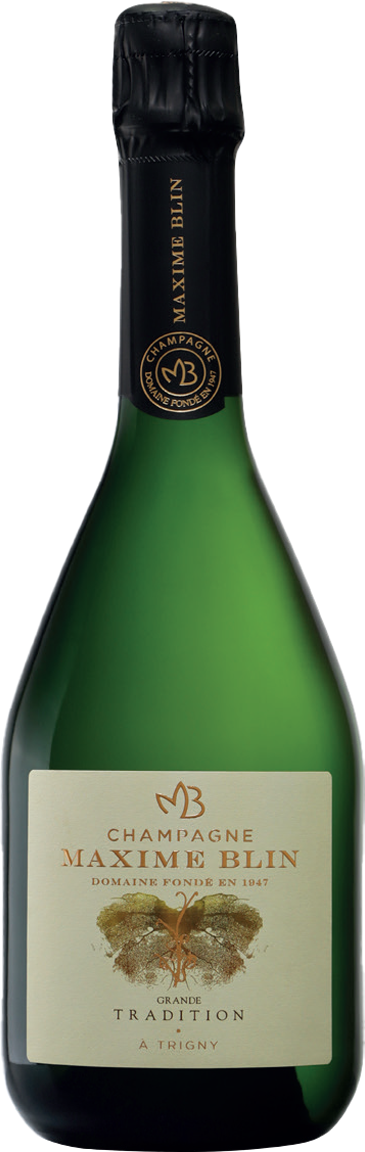
Champagne Brut 'Grande Tradition' Maxime BlinThe 'Grande Tradition' Brut Champagne from the French company Maxime Blin is a Champagne with a classic and refined style, reflecting the identity of the winery. This label is part of the 'Les Fondamentales' collection, a selection that brings together historical cuvées that fully embody the style of the Blin family, each focusing on a specific grape variety. In this particular case, the 'Grande Tradition' highlights the qualities of the Chardonnay cultivated in the Trigny area.The 'Grande Tradition' Maxime Blin Champagne comes from a blend of Chardonnay (90%) and Pinot Noir (10%) grapes grown under certified organic cultivation in the village of Trigny, within the Montagne de Reims area. Here, the vines enjoy excellent southern and south-eastern exposure and the sandy, clay-limestone soil matrix. Following the harvest, the grapes are subjected to a gentle pressing using a Coquard press, with the must thus obtained being transferred to stainless steel tanks for temperature-controlled alcoholic fermentation and subsequent complete malolactic fermentation. The vintage wine is then combined with 30% vins de réserve before bottle fermentation according to the Champenoise Method, combined with 36 months of maturation sur lattes. This is followed by dégorgement and final dosage as Extra Brut, with 4 g/l residual sugar.The 'Grande Tradition' Champagne Maxime Blin has a luminous straw yellow colour with a fine and persistent perlage. The aromatic bouquet expresses fragrant scents of citrus fruits and white flowers, surrounded by memories of bakery and mineral nuances. The taste is fresh, elegant and balanced, with a pleasant savoury trail that rests on a long citrus and mineral finish.57,00 £*Shipping: 48,00 £Secure redirect to the provider
-
Champagne Brut Grand Cru 'Tradition' GatinoisChampagne Gatinois Brut Grand Cru 'Tradition' reflects the structure and expressive depth of Champagne from Aÿ, a Grand Cru village located in the Vallée de la Marne, a few kilometres from Epernay. The village, where Pinot Noir reigns supreme with almost 90% of the entire vineyard area, is the largest of the Champagne villages with more than 4,000 inhabitants. Already famous in ancient times for the quality of its still wines, Aÿ is today established among the largest territories in all of Champagne for the cultivation of Pinot Noir.The Brut Grand Cru Champagne Gatinois 'Tradition' consists of a blend of Pinot Noir (80%) and Chardonnay (20%) grapes, varieties cultivated within the Grand Cru village of Aÿ on soils with a strong chalk component. In the cellar, the grapes undergo a soft pressing, followed by the alcoholic fermentation of the must and then the maturation of the vintage wine for a few months, which is then blended with 30% vin de reserve in the preparation of the sparkling wine base. This is followed by bottle fermentation according to the Champenoise Method, combined with at least 24-30 months of maturation on the lees in glass. This is followed by degorgement and final dosage as Brut, at 7 g/l residual sugar.The Champagne 'Tradition' Brut Grand Cru from the Gatinois sparkling wine company has a light, brilliant straw yellow colour with a refined perlage. Fresh aromas of pear, lime and white flowers emerge from the glass, supported by anelegant mineral timbre and deep hints of brioche and toasted hints. All complemented by the vinous note typical of Pinot Noir. Taste development endowed with excellent freshness and sapidity, with a good persistence in which the sensations previously perceived on the nose reappear.42,00 £*Shipping: 48,00 £Secure redirect to the provider
-
How do the semi-nomadic and semi-nomadic people live?
Semi-nomadic and semi-nomadic people live a lifestyle that combines elements of both settled and nomadic living. They may have a home base or settlement where they live for part of the year, engaging in agriculture or other settled activities. However, they also engage in nomadic practices such as herding animals or seasonal migration to take advantage of different resources. This lifestyle allows them to adapt to changing environmental conditions and maintain a balance between settled and nomadic ways of life. **
-
What is the connection between Buddhism, hair culture, and clothing?
Buddhism, hair culture, and clothing are interconnected through the concept of modesty and simplicity. In Buddhism, adherents often practice modesty and simplicity in their appearance, which can be reflected in their hair culture and clothing choices. For example, some Buddhist monks and nuns shave their heads as a symbol of renunciation of worldly attachments and to maintain simplicity. Additionally, Buddhist teachings emphasize the importance of modest and simple clothing, as a way to reduce attachment to material possessions and to promote humility. Overall, the connection between Buddhism, hair culture, and clothing lies in the shared values of modesty, simplicity, and detachment from worldly desires. **
-
What are nomadic peoples?
Nomadic peoples are communities or groups of people who do not have a fixed home and constantly move from place to place in search of resources such as food, water, and shelter. They typically live in temporary dwellings such as tents or portable huts and rely on herding animals or hunting and gathering for their sustenance. Nomadic lifestyles have been practiced for thousands of years by various cultures around the world, adapting to different environments and climates. **
-
What is nomadic livestock farming?
Nomadic livestock farming is a form of animal husbandry where herders move their livestock from one grazing area to another in search of fresh pasture and water. This practice is common in arid and semi-arid regions where vegetation is sparse and unpredictable. Nomadic herders rely on traditional knowledge and sustainable practices to ensure the well-being of their animals and to maintain a balance with the environment. This lifestyle has been practiced for centuries and is an integral part of the cultural identity of many communities around the world. **
* All prices are inclusive of VAT and, if applicable, plus shipping costs. The offer information is based on the details provided by the respective shop and is updated through automated processes. Real-time updates do not occur, so deviations can occur in individual cases. ** Note: Parts of this content were created by AI.