Buy kalmykia.eu ?
We are moving the project
kalmykia.eu .
Are you interested in purchasing the domain
kalmykia.eu ?
domain@kv-gmbh.de · 0541-91531010
Buy kalmykia.eu ?
What is better: bespoke tailor or fashion tailor?
The choice between a bespoke tailor and a fashion tailor depends on personal preferences and needs. A bespoke tailor creates custom-made clothing from scratch, providing a unique and personalized fit. On the other hand, a fashion tailor specializes in altering and tailoring ready-to-wear clothing to fit the individual. If you value individuality and a perfect fit, a bespoke tailor may be the better choice. However, if you prefer the convenience and affordability of ready-to-wear clothing with personalized alterations, a fashion tailor may be more suitable. **
How can one train to become a bespoke tailor and study?
To become a bespoke tailor, one can start by enrolling in a formal tailoring program or apprenticeship to learn the necessary skills and techniques. This can include studying pattern making, garment construction, and fabric selection. Additionally, gaining hands-on experience through internships or working under an experienced tailor can provide valuable practical knowledge. Continuous learning and staying updated on current fashion trends and techniques through workshops, seminars, and online courses can also help in honing one's skills as a bespoke tailor. **

Similar search terms for Bespoke
Top-Angebote
Products related to Bespoke:
-
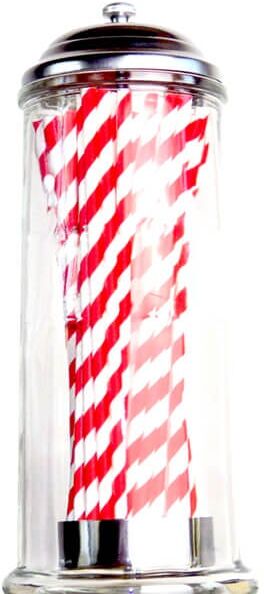
Bar Bespoke Classic Straw DispenserStoring up to 100 straws, this Bar Bespoke Classic Straw Dispenser allows you to store straws in a hygienic manner, ready to hand. Made from heavy glass and metal, this American diner style dispenser is simple to use - simply lift the chrome lid and the straws will fan out ready for use. Supplied with 50 paper straws, this retro styled straw dispenser can be refilled with any paper or reusable straight straws up to 21cm in length. This Bar Bespoke Classic Straw Dispenser can be hand washed when required.15,29 £*Shipping: 3,50 £Secure redirect to the provider
-
Bar Bespoke Grenade Decanter SetMake your next game night a stylish checkmate with the elegant Bar Originale Chess Decanter & Glass Set. Beautifully blending strategy and sophistication, this unique set features a finely crafted glass decanter inspired by the powerful Queen chess piece, complete with four matching “Castles” shot glasses and a display board. Whether you’re pouring aged whisky, fine wine, or your favourite spirit, this set delivers a refined drinking experience worthy of any grandmaster. Includes: 1 x Queen-shaped glass decanter (700ml) and 4 x Castle shot glasses (55ml each) Care: Hand wash recommended to preserve clarity and detail Capacity: 700ml/ 55ml35,99 £*Shipping: 3,50 £Secure redirect to the provider
-
Bar Bespoke Port Decanter & Sipper SetEnhance the pleasure of your tipple with this Bar Bespoke Port Decanter & Sipper Set. Comprising a classic blown glass decanter and four port sippers, this set is perfect for parties and entertaining. Simply fill each sipper glass with port, brandy or other liqueurs and sip away through the pipe. Hooks on the side of the decanter allow you to hang the glasses when not in use. Also supplied with an authentic cork stopper. Approximate dimensions: Decanter - H31cm x DIA16cm. Capacity 75cl. Port sipper - H9cm x DIA5cm. Capacity 80ml. Hand wash only. Supplied in a smart gift box.33,29 £*Shipping: 3,50 £Secure redirect to the provider


-
What is the difference between culture and tradition?
Culture refers to the beliefs, customs, arts, and social behaviors of a particular group of people, encompassing a broader range of practices and values. On the other hand, tradition specifically refers to the customs and practices that are passed down from generation to generation within a specific community or society. While culture is more dynamic and can evolve over time, traditions tend to be more static and rooted in history and heritage. **
-
What is the meaning of tradition, culture, and identity?
Tradition refers to the customs, beliefs, and practices that are passed down from generation to generation within a community or society. Culture encompasses the shared values, beliefs, and behaviors of a particular group of people, including their language, art, music, and social norms. Identity is the sense of self and belonging that is shaped by one's cultural background, traditions, and experiences. Together, tradition, culture, and identity form the foundation of a person's sense of belonging and connection to their community and heritage. **
-
How do the semi-nomadic and semi-nomadic people live?
Semi-nomadic and semi-nomadic people live a lifestyle that combines elements of both settled and nomadic living. They may have a home base or settlement where they live for part of the year, engaging in agriculture or other settled activities. However, they also engage in nomadic practices such as herding animals or seasonal migration to take advantage of different resources. This lifestyle allows them to adapt to changing environmental conditions and maintain a balance between settled and nomadic ways of life. **
-
What is the connection between Buddhism, hair culture, and clothing?
Buddhism, hair culture, and clothing are interconnected through the concept of modesty and simplicity. In Buddhism, adherents often practice modesty and simplicity in their appearance, which can be reflected in their hair culture and clothing choices. For example, some Buddhist monks and nuns shave their heads as a symbol of renunciation of worldly attachments and to maintain simplicity. Additionally, Buddhist teachings emphasize the importance of modest and simple clothing, as a way to reduce attachment to material possessions and to promote humility. Overall, the connection between Buddhism, hair culture, and clothing lies in the shared values of modesty, simplicity, and detachment from worldly desires. **


What are nomadic peoples?
Nomadic peoples are communities or groups of people who do not have a fixed home and constantly move from place to place in search of resources such as food, water, and shelter. They typically live in temporary dwellings such as tents or portable huts and rely on herding animals or hunting and gathering for their sustenance. Nomadic lifestyles have been practiced for thousands of years by various cultures around the world, adapting to different environments and climates. **
What is nomadic livestock farming?
Nomadic livestock farming is a form of animal husbandry where herders move their livestock from one grazing area to another in search of fresh pasture and water. This practice is common in arid and semi-arid regions where vegetation is sparse and unpredictable. Nomadic herders rely on traditional knowledge and sustainable practices to ensure the well-being of their animals and to maintain a balance with the environment. This lifestyle has been practiced for centuries and is an integral part of the cultural identity of many communities around the world. **
Top-Angebote
Products related to Bespoke:
-
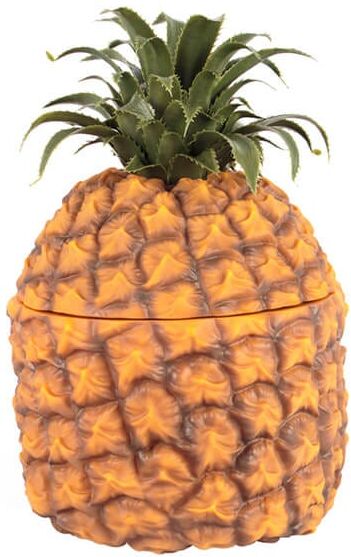
Bar Bespoke Pineapple Ice BucketBased on an iconic 70s design, this Bar Bespoke Pineapple Ice Bucket is ideal for adding vintage retro styling to your indoor or outdoor bar. Glass lined for perfect chilling, this is probably the coolest way to serve ice cubes, chopped fruit and iced desserts. Approximate pineapple ice bucket dimensions: H26cm x DIA17cm. Capacity: 1.5 litres. Hand wash only. The glass liner is removable for easy cleaning. Supplied in smart retro packaging, this would make a fantastic gift.31,49 £*Shipping: 3,50 £Secure redirect to the provider
-
Bar Bespoke Classic Straw DispenserStoring up to 100 straws, this Bar Bespoke Classic Straw Dispenser allows you to store straws in a hygienic manner, ready to hand. Made from heavy glass and metal, this American diner style dispenser is simple to use - simply lift the chrome lid and the straws will fan out ready for use. Supplied with 50 paper straws, this retro styled straw dispenser can be refilled with any paper or reusable straight straws up to 21cm in length. This Bar Bespoke Classic Straw Dispenser can be hand washed when required.15,29 £*Shipping: 3,50 £Secure redirect to the provider
-
Bar Bespoke Grenade Decanter SetMake your next game night a stylish checkmate with the elegant Bar Originale Chess Decanter & Glass Set. Beautifully blending strategy and sophistication, this unique set features a finely crafted glass decanter inspired by the powerful Queen chess piece, complete with four matching “Castles” shot glasses and a display board. Whether you’re pouring aged whisky, fine wine, or your favourite spirit, this set delivers a refined drinking experience worthy of any grandmaster. Includes: 1 x Queen-shaped glass decanter (700ml) and 4 x Castle shot glasses (55ml each) Care: Hand wash recommended to preserve clarity and detail Capacity: 700ml/ 55ml35,99 £*Shipping: 3,50 £Secure redirect to the provider
-
What is better: bespoke tailor or fashion tailor?
The choice between a bespoke tailor and a fashion tailor depends on personal preferences and needs. A bespoke tailor creates custom-made clothing from scratch, providing a unique and personalized fit. On the other hand, a fashion tailor specializes in altering and tailoring ready-to-wear clothing to fit the individual. If you value individuality and a perfect fit, a bespoke tailor may be the better choice. However, if you prefer the convenience and affordability of ready-to-wear clothing with personalized alterations, a fashion tailor may be more suitable. **
-
How can one train to become a bespoke tailor and study?
To become a bespoke tailor, one can start by enrolling in a formal tailoring program or apprenticeship to learn the necessary skills and techniques. This can include studying pattern making, garment construction, and fabric selection. Additionally, gaining hands-on experience through internships or working under an experienced tailor can provide valuable practical knowledge. Continuous learning and staying updated on current fashion trends and techniques through workshops, seminars, and online courses can also help in honing one's skills as a bespoke tailor. **
-
What is the difference between culture and tradition?
Culture refers to the beliefs, customs, arts, and social behaviors of a particular group of people, encompassing a broader range of practices and values. On the other hand, tradition specifically refers to the customs and practices that are passed down from generation to generation within a specific community or society. While culture is more dynamic and can evolve over time, traditions tend to be more static and rooted in history and heritage. **
-
What is the meaning of tradition, culture, and identity?
Tradition refers to the customs, beliefs, and practices that are passed down from generation to generation within a community or society. Culture encompasses the shared values, beliefs, and behaviors of a particular group of people, including their language, art, music, and social norms. Identity is the sense of self and belonging that is shaped by one's cultural background, traditions, and experiences. Together, tradition, culture, and identity form the foundation of a person's sense of belonging and connection to their community and heritage. **
Similar search terms for Bespoke
-
Bar Bespoke Port Decanter & Sipper SetEnhance the pleasure of your tipple with this Bar Bespoke Port Decanter & Sipper Set. Comprising a classic blown glass decanter and four port sippers, this set is perfect for parties and entertaining. Simply fill each sipper glass with port, brandy or other liqueurs and sip away through the pipe. Hooks on the side of the decanter allow you to hang the glasses when not in use. Also supplied with an authentic cork stopper. Approximate dimensions: Decanter - H31cm x DIA16cm. Capacity 75cl. Port sipper - H9cm x DIA5cm. Capacity 80ml. Hand wash only. Supplied in a smart gift box.33,29 £*Shipping: 3,50 £Secure redirect to the provider
-
How do the semi-nomadic and semi-nomadic people live?
Semi-nomadic and semi-nomadic people live a lifestyle that combines elements of both settled and nomadic living. They may have a home base or settlement where they live for part of the year, engaging in agriculture or other settled activities. However, they also engage in nomadic practices such as herding animals or seasonal migration to take advantage of different resources. This lifestyle allows them to adapt to changing environmental conditions and maintain a balance between settled and nomadic ways of life. **
-
What is the connection between Buddhism, hair culture, and clothing?
Buddhism, hair culture, and clothing are interconnected through the concept of modesty and simplicity. In Buddhism, adherents often practice modesty and simplicity in their appearance, which can be reflected in their hair culture and clothing choices. For example, some Buddhist monks and nuns shave their heads as a symbol of renunciation of worldly attachments and to maintain simplicity. Additionally, Buddhist teachings emphasize the importance of modest and simple clothing, as a way to reduce attachment to material possessions and to promote humility. Overall, the connection between Buddhism, hair culture, and clothing lies in the shared values of modesty, simplicity, and detachment from worldly desires. **
-
What are nomadic peoples?
Nomadic peoples are communities or groups of people who do not have a fixed home and constantly move from place to place in search of resources such as food, water, and shelter. They typically live in temporary dwellings such as tents or portable huts and rely on herding animals or hunting and gathering for their sustenance. Nomadic lifestyles have been practiced for thousands of years by various cultures around the world, adapting to different environments and climates. **
-
What is nomadic livestock farming?
Nomadic livestock farming is a form of animal husbandry where herders move their livestock from one grazing area to another in search of fresh pasture and water. This practice is common in arid and semi-arid regions where vegetation is sparse and unpredictable. Nomadic herders rely on traditional knowledge and sustainable practices to ensure the well-being of their animals and to maintain a balance with the environment. This lifestyle has been practiced for centuries and is an integral part of the cultural identity of many communities around the world. **
* All prices are inclusive of VAT and, if applicable, plus shipping costs. The offer information is based on the details provided by the respective shop and is updated through automated processes. Real-time updates do not occur, so deviations can occur in individual cases. ** Note: Parts of this content were created by AI.