Buy kalmykia.eu ?
We are moving the project
kalmykia.eu .
Are you interested in purchasing the domain
kalmykia.eu ?
domain@kv-gmbh.de · 0541-91531010
Buy kalmykia.eu ?
How does a biological woman or a biological man feel?
It is important to note that there is no one universal way that all biological women or men feel. Each individual's experience of their gender identity and emotions is unique and can be influenced by a variety of factors such as culture, upbringing, personal experiences, and more. It is essential to approach each person with empathy and understanding, and to recognize that gender identity and emotions are complex and diverse. **
What is biological preparedness?
Biological preparedness is the concept that humans and animals are inherently predisposed to learn and retain certain types of information more easily than others due to evolutionary factors. This means that we are more likely to develop fears or associations with stimuli that have been historically relevant to our survival, such as snakes or spiders. This preparedness is thought to be the result of natural selection favoring individuals who were quick to learn and respond to potential threats in their environment. Overall, biological preparedness helps explain why certain phobias or fears are more common and easier to acquire than others. **


Similar search terms for Biological
Top-Angebote
Products related to Biological:
-
New River Age Less: How I Reduced My Biological Age From 60 To 20 And How You Can Too - Non Fiction - PaperbackTitle:. Age Less: How I reduced my biological age from 60 to 20... And how you can too Overview:. Age Less is a bold, personal journey that reads like a science-informed diary of transformation. The author chronicles a remarkable shift from feeling chronologically aged to experiencing vitality that belies years. Part memoir, part practical guide, the book translates cutting-edge aging science into clear, doable steps that readers can adapt to their own lives. You’ll learn how small, sustainable changes to nutrition, sleep, movement, and daily routines can compound over weeks and months, delivering more energy, sharper thinking, better mood, and a sense of resilience. The tone is encouraging and non-judgmental, acknowledging that every life is different and progress comes in many forms. Rather than promising a single magic formula, Age Less offers a flexible framework, a toolkit of habits, trackers, and mindset shifts designed to help you measure progress, stay motivated, and build a healthier rhythm for life. Whether you’re in your forties seeking prevention, or in your sixties seeking improved vitality, this book speaks to your ambitions with warmth and practical precision. What Makes This Book Stand Out:. This book stands out because it blends a riveting, real-life narrative with accessible science. The author doesn’t rely on hype or quick fixes; they excavate aging research and translate it into actionable routines that fit busy lives. You’ll find plain-language explanations of what biological age means, how it’s measured, and why it can move in response to daily choices. The narrative makes complex ideas feel approachable, while the practical sections offer step-by-step plans, checklists, and adaptable templates. The emphasis on sustainability—small shifts that accumulate—resonates with readers who have tried fad diets or drastic regimens and want something steadier. The voice is compassionate, credible, and conversational, inviting readers to experiment with a personalized plan rather than imitate a stranger’s routine. The result is not just a book to read, but a companion you can revisit as your own life evolves. Who This Book Is Perfect For:. If you’re curious about longevity, want to boost energy and mental clarity, or are seeking a practical, science-based path to vitality, this book is for you. It speaks to midlife readers and beyond, health-conscious professionals juggling work and family, and anyone who has tried “quick fixes” without lasting results. It’s ideal for readers who enjoy memoirs that double as how-to guides, for gift buyers seeking a thoughtful, empowering present, and for teachers and coaches looking for a fresh, evidence-informed resource on wellbeing. The tone suits beginners and curious skeptics alike, offering gentle guidance and plenty of room for personal adaptation. Key Highlights:. Personal, relatable journey that demonstrates real-life change Clear explanations of aging science in everyday language Practical,...14,99 £*Shipping: 2,99 £Secure redirect to the provider
-
Bloomsbury On the Future of Species: Authoring Life by Means of Artificial Biological Intelligence by Adrian Woolfson - Non Fiction Hardback - Genome WritingOn the Future of Species: Authoring Life by Adrian Woolfson is a bold work of popular science from the geneticist and co-founder of genome writing company Genyro. It argues that biology is on the verge of becoming an engineering discipline, with artificial intelligence and synthetic genomics converging to let scientists write, edit and even design living organisms. The book maps out a future of programmable life, extended human lifespans and radically transformed ecosystems, while urging readers to consider the ethical stakes of this new power responsibly. Adrian Woolfson draws on his experience at the intersection of medicine, genetics and biotechnology to explain how genome writing could reshape the natural world. The book traces the path from today's gene-editing experiments in bacteria, yeast and other organisms, offering a thought-provoking exploration of the possibilities and implications of this emerging field.23,99 £*Shipping: 2,99 £Secure redirect to the provider


-
What is biological oxidation?
Biological oxidation is a process in living organisms where organic molecules are broken down to release energy. This process involves the transfer of electrons from the organic molecules to an electron acceptor, such as oxygen, in order to produce adenosine triphosphate (ATP), the cell's main energy source. Biological oxidation is a key component of cellular respiration, which is essential for the survival and functioning of all living organisms. **
-
What are biological weapons?
Biological weapons are living organisms or toxins that are used to cause harm to humans, animals, or plants. These weapons can be in the form of bacteria, viruses, or other microorganisms that are intentionally released to cause illness, death, or destruction. Biological weapons can be used in warfare or terrorism and have the potential to spread rapidly and cause widespread devastation. Due to their potential for mass casualties and long-term effects, biological weapons are considered a serious threat to global security. **
-
What are biological catalysts?
Biological catalysts, also known as enzymes, are proteins that speed up chemical reactions in living organisms. They do this by lowering the activation energy required for a reaction to occur, allowing it to happen more quickly. Enzymes are highly specific, meaning each one is designed to catalyze a specific reaction. They play a crucial role in metabolism, digestion, and many other biological processes. **
-
What are biological values?
Biological values are a measure of how efficiently the body can utilize the protein in a particular food. It is a measure of the proportion of absorbed protein from a food that the body can use for growth and maintenance. Foods with higher biological values are considered to be of higher quality because they provide a higher proportion of usable protein for the body. Animal-based foods such as meat, fish, eggs, and dairy typically have higher biological values compared to plant-based foods. **

What are biological characteristics?
Biological characteristics are the physical and genetic traits that are inherited and unique to each individual. These characteristics are determined by an individual's genetic makeup and can include traits such as eye color, hair color, height, and susceptibility to certain diseases. Biological characteristics are influenced by both genetic and environmental factors, and they play a significant role in shaping an individual's physical appearance and overall health. **
What are biological sentences?
Biological sentences are statements or descriptions that pertain to living organisms, their characteristics, functions, and interactions. These sentences often involve the use of biological terminology and concepts to convey information about the natural world. They can encompass a wide range of topics, including genetics, ecology, physiology, and evolution, and are used to communicate scientific knowledge and understanding of living systems. Biological sentences are essential for conveying information about the diversity and complexity of life on Earth. **
Top-Angebote
Products related to Biological:
-
La Finestra sul Cielo Biological shoyu 250 mlNutrition and Supplements Sauces and Condiments La Finestra sul Cielo Biological shoyu 250 ml * Soy sauce made following the best traditional method (fermenting for 18 months in wooden barrels). * Ideal for recipes based on cereals, legumes, vegetables and algae. * Allergens: - May contain traces of gluten and soy. * How to use: - Pasteurized product. Store in a cool and dry place.3,98 £*Shipping: 4,99 £Secure redirect to the provider
-
On the Future of Species: Authoring Life by Means of Artificial Biological Intelligence by Adrian WoolfsonDescription. Title In This Set:. On the Future of Species: Authoring Life by Means of Artificial Biological Intelligence. Condition :BRAND NEW. Format: Hardcover. ISBN : 9781526670977. To achieve this, says Adrian Woolfson - founder of the genome writing company Genyro - we must transform biology into a predictive, programmable engineering material. That means decoding the generative grammar of DNA: the language of life itself. It may then be possible to author genomes - and, if we choose, even rewrite our own.. We are at the cusp of a technological revolution, driven by the convergence of artificial intelligence and synthetic biology. Currently at the scribbling phase - writing the genomes of viruses, bacteria and yeast - we will eventually author the genomes of extinct and never-before-realised species. Life will become computable, detached from its past, and no longer bound by Darwinian evolution.. About the Author:. Adrian Woolfson was educated in London, Oxford, and Cambridge. He currently lives in San Francisco. He is the author of two critically acclaimed books published by HarperCollins, Flamingo, and the Duckworth Press. His new book ‘On the Future of Species: Authoring Life By Means Of Artificial Biological Intelligence’ will be published by Bloomsbury on 12 February 2026.. Title. On the Future of Species: Authoring Life by Means of Artificial Biological Intelligence by Adrian Woolfson. Delivery. Content. Reviews20,99 £*Shipping: 2,99 £Secure redirect to the provider
-
New River Age Less: How I Reduced My Biological Age From 60 To 20 And How You Can Too - Non Fiction - PaperbackTitle:. Age Less: How I reduced my biological age from 60 to 20... And how you can too Overview:. Age Less is a bold, personal journey that reads like a science-informed diary of transformation. The author chronicles a remarkable shift from feeling chronologically aged to experiencing vitality that belies years. Part memoir, part practical guide, the book translates cutting-edge aging science into clear, doable steps that readers can adapt to their own lives. You’ll learn how small, sustainable changes to nutrition, sleep, movement, and daily routines can compound over weeks and months, delivering more energy, sharper thinking, better mood, and a sense of resilience. The tone is encouraging and non-judgmental, acknowledging that every life is different and progress comes in many forms. Rather than promising a single magic formula, Age Less offers a flexible framework, a toolkit of habits, trackers, and mindset shifts designed to help you measure progress, stay motivated, and build a healthier rhythm for life. Whether you’re in your forties seeking prevention, or in your sixties seeking improved vitality, this book speaks to your ambitions with warmth and practical precision. What Makes This Book Stand Out:. This book stands out because it blends a riveting, real-life narrative with accessible science. The author doesn’t rely on hype or quick fixes; they excavate aging research and translate it into actionable routines that fit busy lives. You’ll find plain-language explanations of what biological age means, how it’s measured, and why it can move in response to daily choices. The narrative makes complex ideas feel approachable, while the practical sections offer step-by-step plans, checklists, and adaptable templates. The emphasis on sustainability—small shifts that accumulate—resonates with readers who have tried fad diets or drastic regimens and want something steadier. The voice is compassionate, credible, and conversational, inviting readers to experiment with a personalized plan rather than imitate a stranger’s routine. The result is not just a book to read, but a companion you can revisit as your own life evolves. Who This Book Is Perfect For:. If you’re curious about longevity, want to boost energy and mental clarity, or are seeking a practical, science-based path to vitality, this book is for you. It speaks to midlife readers and beyond, health-conscious professionals juggling work and family, and anyone who has tried “quick fixes” without lasting results. It’s ideal for readers who enjoy memoirs that double as how-to guides, for gift buyers seeking a thoughtful, empowering present, and for teachers and coaches looking for a fresh, evidence-informed resource on wellbeing. The tone suits beginners and curious skeptics alike, offering gentle guidance and plenty of room for personal adaptation. Key Highlights:. Personal, relatable journey that demonstrates real-life change Clear explanations of aging science in everyday language Practical,...14,99 £*Shipping: 2,99 £Secure redirect to the provider
-
Bloomsbury On the Future of Species: Authoring Life by Means of Artificial Biological Intelligence by Adrian Woolfson - Non Fiction Hardback - Genome WritingOn the Future of Species: Authoring Life by Adrian Woolfson is a bold work of popular science from the geneticist and co-founder of genome writing company Genyro. It argues that biology is on the verge of becoming an engineering discipline, with artificial intelligence and synthetic genomics converging to let scientists write, edit and even design living organisms. The book maps out a future of programmable life, extended human lifespans and radically transformed ecosystems, while urging readers to consider the ethical stakes of this new power responsibly. Adrian Woolfson draws on his experience at the intersection of medicine, genetics and biotechnology to explain how genome writing could reshape the natural world. The book traces the path from today's gene-editing experiments in bacteria, yeast and other organisms, offering a thought-provoking exploration of the possibilities and implications of this emerging field.23,99 £*Shipping: 2,99 £Secure redirect to the provider
-
How does a biological woman or a biological man feel?
It is important to note that there is no one universal way that all biological women or men feel. Each individual's experience of their gender identity and emotions is unique and can be influenced by a variety of factors such as culture, upbringing, personal experiences, and more. It is essential to approach each person with empathy and understanding, and to recognize that gender identity and emotions are complex and diverse. **
-
What is biological preparedness?
Biological preparedness is the concept that humans and animals are inherently predisposed to learn and retain certain types of information more easily than others due to evolutionary factors. This means that we are more likely to develop fears or associations with stimuli that have been historically relevant to our survival, such as snakes or spiders. This preparedness is thought to be the result of natural selection favoring individuals who were quick to learn and respond to potential threats in their environment. Overall, biological preparedness helps explain why certain phobias or fears are more common and easier to acquire than others. **
-
What is biological oxidation?
Biological oxidation is a process in living organisms where organic molecules are broken down to release energy. This process involves the transfer of electrons from the organic molecules to an electron acceptor, such as oxygen, in order to produce adenosine triphosphate (ATP), the cell's main energy source. Biological oxidation is a key component of cellular respiration, which is essential for the survival and functioning of all living organisms. **
-
What are biological weapons?
Biological weapons are living organisms or toxins that are used to cause harm to humans, animals, or plants. These weapons can be in the form of bacteria, viruses, or other microorganisms that are intentionally released to cause illness, death, or destruction. Biological weapons can be used in warfare or terrorism and have the potential to spread rapidly and cause widespread devastation. Due to their potential for mass casualties and long-term effects, biological weapons are considered a serious threat to global security. **
Similar search terms for Biological
-
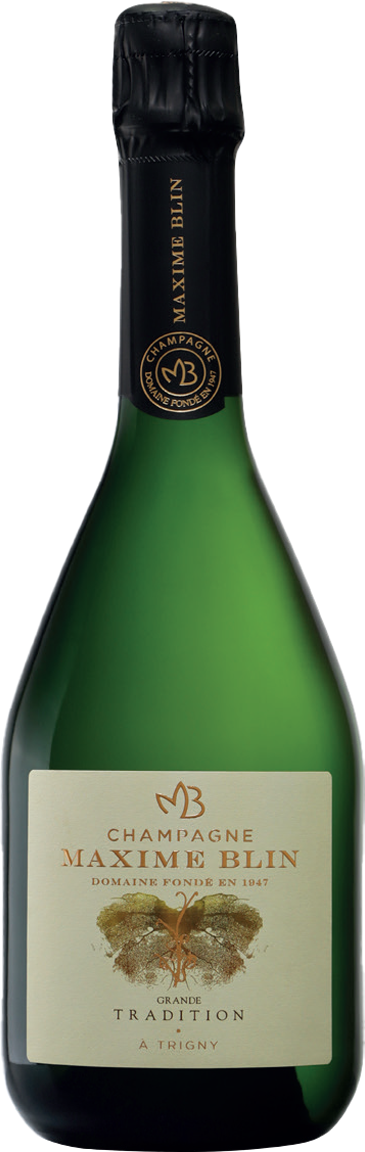
Champagne Brut 'Grande Tradition' Maxime BlinThe 'Grande Tradition' Brut Champagne from the French company Maxime Blin is a Champagne with a classic and refined style, reflecting the identity of the winery. This label is part of the 'Les Fondamentales' collection, a selection that brings together historical cuvées that fully embody the style of the Blin family, each focusing on a specific grape variety. In this particular case, the 'Grande Tradition' highlights the qualities of the Chardonnay cultivated in the Trigny area.The 'Grande Tradition' Maxime Blin Champagne comes from a blend of Chardonnay (90%) and Pinot Noir (10%) grapes grown under certified organic cultivation in the village of Trigny, within the Montagne de Reims area. Here, the vines enjoy excellent southern and south-eastern exposure and the sandy, clay-limestone soil matrix. Following the harvest, the grapes are subjected to a gentle pressing using a Coquard press, with the must thus obtained being transferred to stainless steel tanks for temperature-controlled alcoholic fermentation and subsequent complete malolactic fermentation. The vintage wine is then combined with 30% vins de réserve before bottle fermentation according to the Champenoise Method, combined with 36 months of maturation sur lattes. This is followed by dégorgement and final dosage as Extra Brut, with 4 g/l residual sugar.The 'Grande Tradition' Champagne Maxime Blin has a luminous straw yellow colour with a fine and persistent perlage. The aromatic bouquet expresses fragrant scents of citrus fruits and white flowers, surrounded by memories of bakery and mineral nuances. The taste is fresh, elegant and balanced, with a pleasant savoury trail that rests on a long citrus and mineral finish.57,00 £*Shipping: 48,00 £Secure redirect to the provider
-
Champagne Brut Grand Cru 'Tradition' GatinoisChampagne Gatinois Brut Grand Cru 'Tradition' reflects the structure and expressive depth of Champagne from Aÿ, a Grand Cru village located in the Vallée de la Marne, a few kilometres from Epernay. The village, where Pinot Noir reigns supreme with almost 90% of the entire vineyard area, is the largest of the Champagne villages with more than 4,000 inhabitants. Already famous in ancient times for the quality of its still wines, Aÿ is today established among the largest territories in all of Champagne for the cultivation of Pinot Noir.The Brut Grand Cru Champagne Gatinois 'Tradition' consists of a blend of Pinot Noir (80%) and Chardonnay (20%) grapes, varieties cultivated within the Grand Cru village of Aÿ on soils with a strong chalk component. In the cellar, the grapes undergo a soft pressing, followed by the alcoholic fermentation of the must and then the maturation of the vintage wine for a few months, which is then blended with 30% vin de reserve in the preparation of the sparkling wine base. This is followed by bottle fermentation according to the Champenoise Method, combined with at least 24-30 months of maturation on the lees in glass. This is followed by degorgement and final dosage as Brut, at 7 g/l residual sugar.The Champagne 'Tradition' Brut Grand Cru from the Gatinois sparkling wine company has a light, brilliant straw yellow colour with a refined perlage. Fresh aromas of pear, lime and white flowers emerge from the glass, supported by anelegant mineral timbre and deep hints of brioche and toasted hints. All complemented by the vinous note typical of Pinot Noir. Taste development endowed with excellent freshness and sapidity, with a good persistence in which the sensations previously perceived on the nose reappear.42,00 £*Shipping: 48,00 £Secure redirect to the provider
-
What are biological catalysts?
Biological catalysts, also known as enzymes, are proteins that speed up chemical reactions in living organisms. They do this by lowering the activation energy required for a reaction to occur, allowing it to happen more quickly. Enzymes are highly specific, meaning each one is designed to catalyze a specific reaction. They play a crucial role in metabolism, digestion, and many other biological processes. **
-
What are biological values?
Biological values are a measure of how efficiently the body can utilize the protein in a particular food. It is a measure of the proportion of absorbed protein from a food that the body can use for growth and maintenance. Foods with higher biological values are considered to be of higher quality because they provide a higher proportion of usable protein for the body. Animal-based foods such as meat, fish, eggs, and dairy typically have higher biological values compared to plant-based foods. **
-
What are biological characteristics?
Biological characteristics are the physical and genetic traits that are inherited and unique to each individual. These characteristics are determined by an individual's genetic makeup and can include traits such as eye color, hair color, height, and susceptibility to certain diseases. Biological characteristics are influenced by both genetic and environmental factors, and they play a significant role in shaping an individual's physical appearance and overall health. **
-
What are biological sentences?
Biological sentences are statements or descriptions that pertain to living organisms, their characteristics, functions, and interactions. These sentences often involve the use of biological terminology and concepts to convey information about the natural world. They can encompass a wide range of topics, including genetics, ecology, physiology, and evolution, and are used to communicate scientific knowledge and understanding of living systems. Biological sentences are essential for conveying information about the diversity and complexity of life on Earth. **
* All prices are inclusive of VAT and, if applicable, plus shipping costs. The offer information is based on the details provided by the respective shop and is updated through automated processes. Real-time updates do not occur, so deviations can occur in individual cases. ** Note: Parts of this content were created by AI.