Buy kalmykia.eu ?
We are moving the project
kalmykia.eu .
Are you interested in purchasing the domain
kalmykia.eu ?
domain@kv-gmbh.de · 0541-91531010
Buy kalmykia.eu ?
"Roman-German Emperors"
The term "Roman-German Emperors" refers to the Holy Roman Emperors, who were rulers of a political entity in Central Europe that existed from 962 to 1806. The title of Holy Roman Emperor was created in the 10th century by Otto I, King of Germany, and it symbolized the revival of the Roman Empire in the West. The Holy Roman Emperors were considered the successors of the ancient Roman Emperors and were elected by a group of German princes. The empire was a complex political entity that encompassed parts of modern-day Germany, Italy, and other European territories. **
Roman-German Emperors
The term "Roman-German Emperors" refers to the Holy Roman Emperors, who were rulers of the Holy Roman Empire from the Middle Ages until its dissolution in 1806. The title of Holy Roman Emperor was created in the 10th century and was held by various monarchs who claimed to be the successors of the ancient Roman emperors. The Holy Roman Emperors were elected by a group of German princes and were considered the highest secular authority in the Holy Roman Empire, which was a complex political entity that encompassed parts of modern-day Germany, Italy, and other European countries. **


Similar search terms for Emperors
Top-Angebote
Products related to Emperors:
-
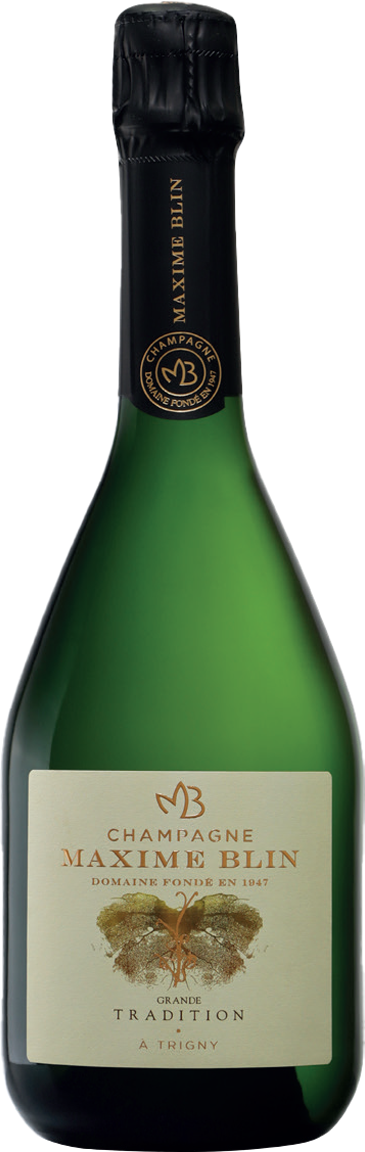
Champagne Brut 'Grande Tradition' Maxime BlinThe 'Grande Tradition' Brut Champagne from the French company Maxime Blin is a Champagne with a classic and refined style, reflecting the identity of the winery. This label is part of the 'Les Fondamentales' collection, a selection that brings together historical cuvées that fully embody the style of the Blin family, each focusing on a specific grape variety. In this particular case, the 'Grande Tradition' highlights the qualities of the Chardonnay cultivated in the Trigny area.The 'Grande Tradition' Maxime Blin Champagne comes from a blend of Chardonnay (90%) and Pinot Noir (10%) grapes grown under certified organic cultivation in the village of Trigny, within the Montagne de Reims area. Here, the vines enjoy excellent southern and south-eastern exposure and the sandy, clay-limestone soil matrix. Following the harvest, the grapes are subjected to a gentle pressing using a Coquard press, with the must thus obtained being transferred to stainless steel tanks for temperature-controlled alcoholic fermentation and subsequent complete malolactic fermentation. The vintage wine is then combined with 30% vins de réserve before bottle fermentation according to the Champenoise Method, combined with 36 months of maturation sur lattes. This is followed by dégorgement and final dosage as Extra Brut, with 4 g/l residual sugar.The 'Grande Tradition' Champagne Maxime Blin has a luminous straw yellow colour with a fine and persistent perlage. The aromatic bouquet expresses fragrant scents of citrus fruits and white flowers, surrounded by memories of bakery and mineral nuances. The taste is fresh, elegant and balanced, with a pleasant savoury trail that rests on a long citrus and mineral finish.57,00 £*Shipping: 48,00 £Secure redirect to the provider


-
Roman-German emperors
The term "Roman-German emperors" refers to the Holy Roman Emperors, who were rulers of the Holy Roman Empire from the Middle Ages to the early 19th century. These emperors were considered the successors to the rulers of the ancient Roman Empire and were elected by a group of German princes. The Holy Roman Emperors held significant political and religious power in Central Europe, although their authority was often challenged by regional rulers and the papacy. The title of Holy Roman Emperor was officially abolished in 1806 following the dissolution of the Holy Roman Empire. **
-
Holy Roman Emperors
The Holy Roman Emperors were rulers of the Holy Roman Empire, a complex political entity in central Europe that existed from 800 to 1806. They were elected by a group of powerful princes and bishops known as the Electoral College. The title of Holy Roman Emperor was considered to be the highest temporal authority in Europe, although the actual power of the emperors varied greatly throughout the history of the empire. Some of the most famous Holy Roman Emperors include Charlemagne, Otto the Great, and Charles V. **
-
'Roman-German Emperors'
The Roman-German Emperors were a series of Holy Roman Emperors who ruled over the Holy Roman Empire from the Middle Ages to the early modern period. They were considered the successors to the ancient Roman Emperors and sought to establish their authority over the territories of the former Western Roman Empire. The title of Roman-German Emperor was meant to signify their dual role as rulers of both the Roman and Germanic peoples. The most famous Roman-German Emperor was Charlemagne, who was crowned Emperor of the Romans by Pope Leo III in 800 AD. The title continued to be used by subsequent Holy Roman Emperors until the dissolution of the Holy Roman Empire in 1806. **
-
'German Kings and Emperors'
German Kings and Emperors were the rulers of the Holy Roman Empire, a complex political entity that existed from the 10th century to the 19th century. The title of King of the Germans was initially held by the elected ruler of the Germanic tribes, and later by the ruler of the East Frankish Kingdom. The title of Holy Roman Emperor was created in the 10th century and was held by the ruler of the Holy Roman Empire, which included territories in modern-day Germany, Austria, Switzerland, and parts of Italy. The position of German King and Holy Roman Emperor was often contested and led to power struggles and conflicts within the empire. **


'List of Roman-German Emperors'
The Roman-German Emperors were a series of Holy Roman Emperors who were elected by the German princes and ruled over the Holy Roman Empire from the 10th to the 18th century. Some notable Roman-German Emperors include Otto I, also known as Otto the Great, who was crowned Emperor in 962 and is considered one of the most powerful medieval rulers. Another significant Emperor was Frederick Barbarossa, who reigned from 1155 to 1190 and played a key role in the politics of the time. The last Roman-German Emperor was Francis II, who abdicated in 1806 following the dissolution of the Holy Roman Empire. **
List of Roman-German Emperors
1. Otto I (936-973) 2. Otto II (973-983) 3. Otto III (983-1002) 4. Henry II (1002-1024) 5. Conrad II (1024-1039) 6. Henry III (1039-1056) 7. Henry IV (1056-1106) 8. Henry V (1106-1125) 9. Lothair II (1125-1137) 10. Conrad III (1138-1152) 11. Frederick I (1155-1190) 12. Henry VI (1191-1197) 13. Otto IV (1209-1215) 14. Frederick II (1212-1250) 15. Conrad IV (1250-1254) **
Top-Angebote
Products related to Emperors:
-
Penguin The Emperors Babe Historical Novel In Verse By Bernardine Evaristo - Fiction - PaperbackTitle:. The Emperor’s Babe Overview:. Bernardine Evaristo’s groundbreaking debut novel unfolds in verse, transporting readers directly to Roman Londinium during the second century. At its heart lies Zuleika, a remarkably vivid protagonist who arrives in Britain as a toddler after travelling across the ancient world with her family. Through personal transformation, she navigates love, loss, cultural displacement, and the rigid expectations placed upon women in antiquity. The narrative traces her profound relationship with Severus, a charismatic young man whose privileged background contrasts sharply with Zuleika’s diasporic roots. Together, they experience passion, marriage, separation, and gradual reconciliation while standing against historical forces shaping distant provinces. Written in fluid, contemporary language that deliberately bridges past and present, the novel strips away the dusty veneer often associated with classical historical fiction. This paperback edition preserves the rhythmic pacing and lyrical intensity of the original release, making it highly accessible for casual readers and students alike. The story re-centres marginalised voices within the imperial narrative, offering a fresh perspective on daily life beneath the weight of empires. What Makes This Book Stand Out:. What truly separates this work from traditional historical novels is its deliberate architectural choice to tell the entire story in verse. Rather than treating poetry as a stylistic ornament, Evaristo utilises rhythm, line breaks, and recurring motifs to mirror the heartbeat of Roman Londinium itself. The verse structure creates immediate intimacy between narrator and reader, compressing decades of life into sharp, resonant snapshots without sacrificing narrative continuity. The language consistently refuses period-appropriate stiffness, opting instead for direct, unapologetic modern speech that highlights timeless questions of racial tension and female autonomy. By situating a Black African woman at the centre of an otherwise Eurocentric historical landscape, the novel actively reclaims spaces usually reserved for patrician Romans. Every chapter functions as both a standalone poetic fragment and a necessary thread in a larger emotional tapestry. This innovative approach transforms historical distance into immediate relevance, ensuring cultural conversations sparked by Zuleika’s journey feel thoroughly current. Who This Book Is Perfect For:. Ideal for readers who appreciate character-driven narratives that challenge conventional historical timelines, this title appeals strongly to fans of literary fiction, poetry, and social commentary. It works beautifully for students exploring postcolonial studies or creative writing techniques. Diaspora readers will particularly connect with its authentic portrayal of migration and the search for home across generations. Fans of unconventional storytelling formats will find the verse structure both refreshing and...8,99 £*Shipping: 2,99 £Secure redirect to the provider
-
"Roman-German Emperors"
The term "Roman-German Emperors" refers to the Holy Roman Emperors, who were rulers of a political entity in Central Europe that existed from 962 to 1806. The title of Holy Roman Emperor was created in the 10th century by Otto I, King of Germany, and it symbolized the revival of the Roman Empire in the West. The Holy Roman Emperors were considered the successors of the ancient Roman Emperors and were elected by a group of German princes. The empire was a complex political entity that encompassed parts of modern-day Germany, Italy, and other European territories. **
-
Roman-German Emperors
The term "Roman-German Emperors" refers to the Holy Roman Emperors, who were rulers of the Holy Roman Empire from the Middle Ages until its dissolution in 1806. The title of Holy Roman Emperor was created in the 10th century and was held by various monarchs who claimed to be the successors of the ancient Roman emperors. The Holy Roman Emperors were elected by a group of German princes and were considered the highest secular authority in the Holy Roman Empire, which was a complex political entity that encompassed parts of modern-day Germany, Italy, and other European countries. **
-
Roman-German emperors
The term "Roman-German emperors" refers to the Holy Roman Emperors, who were rulers of the Holy Roman Empire from the Middle Ages to the early 19th century. These emperors were considered the successors to the rulers of the ancient Roman Empire and were elected by a group of German princes. The Holy Roman Emperors held significant political and religious power in Central Europe, although their authority was often challenged by regional rulers and the papacy. The title of Holy Roman Emperor was officially abolished in 1806 following the dissolution of the Holy Roman Empire. **
-
Holy Roman Emperors
The Holy Roman Emperors were rulers of the Holy Roman Empire, a complex political entity in central Europe that existed from 800 to 1806. They were elected by a group of powerful princes and bishops known as the Electoral College. The title of Holy Roman Emperor was considered to be the highest temporal authority in Europe, although the actual power of the emperors varied greatly throughout the history of the empire. Some of the most famous Holy Roman Emperors include Charlemagne, Otto the Great, and Charles V. **
Similar search terms for Emperors
-
Champagne Brut 'Grande Tradition' Maxime BlinThe 'Grande Tradition' Brut Champagne from the French company Maxime Blin is a Champagne with a classic and refined style, reflecting the identity of the winery. This label is part of the 'Les Fondamentales' collection, a selection that brings together historical cuvées that fully embody the style of the Blin family, each focusing on a specific grape variety. In this particular case, the 'Grande Tradition' highlights the qualities of the Chardonnay cultivated in the Trigny area.The 'Grande Tradition' Maxime Blin Champagne comes from a blend of Chardonnay (90%) and Pinot Noir (10%) grapes grown under certified organic cultivation in the village of Trigny, within the Montagne de Reims area. Here, the vines enjoy excellent southern and south-eastern exposure and the sandy, clay-limestone soil matrix. Following the harvest, the grapes are subjected to a gentle pressing using a Coquard press, with the must thus obtained being transferred to stainless steel tanks for temperature-controlled alcoholic fermentation and subsequent complete malolactic fermentation. The vintage wine is then combined with 30% vins de réserve before bottle fermentation according to the Champenoise Method, combined with 36 months of maturation sur lattes. This is followed by dégorgement and final dosage as Extra Brut, with 4 g/l residual sugar.The 'Grande Tradition' Champagne Maxime Blin has a luminous straw yellow colour with a fine and persistent perlage. The aromatic bouquet expresses fragrant scents of citrus fruits and white flowers, surrounded by memories of bakery and mineral nuances. The taste is fresh, elegant and balanced, with a pleasant savoury trail that rests on a long citrus and mineral finish.57,00 £*Shipping: 48,00 £Secure redirect to the provider
-
Champagne Brut Grand Cru 'Tradition' GatinoisChampagne Gatinois Brut Grand Cru 'Tradition' reflects the structure and expressive depth of Champagne from Aÿ, a Grand Cru village located in the Vallée de la Marne, a few kilometres from Epernay. The village, where Pinot Noir reigns supreme with almost 90% of the entire vineyard area, is the largest of the Champagne villages with more than 4,000 inhabitants. Already famous in ancient times for the quality of its still wines, Aÿ is today established among the largest territories in all of Champagne for the cultivation of Pinot Noir.The Brut Grand Cru Champagne Gatinois 'Tradition' consists of a blend of Pinot Noir (80%) and Chardonnay (20%) grapes, varieties cultivated within the Grand Cru village of Aÿ on soils with a strong chalk component. In the cellar, the grapes undergo a soft pressing, followed by the alcoholic fermentation of the must and then the maturation of the vintage wine for a few months, which is then blended with 30% vin de reserve in the preparation of the sparkling wine base. This is followed by bottle fermentation according to the Champenoise Method, combined with at least 24-30 months of maturation on the lees in glass. This is followed by degorgement and final dosage as Brut, at 7 g/l residual sugar.The Champagne 'Tradition' Brut Grand Cru from the Gatinois sparkling wine company has a light, brilliant straw yellow colour with a refined perlage. Fresh aromas of pear, lime and white flowers emerge from the glass, supported by anelegant mineral timbre and deep hints of brioche and toasted hints. All complemented by the vinous note typical of Pinot Noir. Taste development endowed with excellent freshness and sapidity, with a good persistence in which the sensations previously perceived on the nose reappear.42,00 £*Shipping: 48,00 £Secure redirect to the provider
-
Daniel Coyle Collection 3 Books Set Talent Code, Culture Code, Culture PlaybookDescription:. Condition: BRAND NEW. Format: Paperback. The Talent Code: Greatness isn't born. It's grown. In The Talent Code, award-winning journalist Daniel Coyle draws on cutting-edge research to reveal that, far from being some abstract mystical power fixed at birth, ability really can be created and nurtured.In the process, he considers talent at work in venues as diverse as a music school in Dallas and a tennis academy near Moscow to demonstrate how the wiring of our brains can be transformed by the way we approach particular tasks. He explains what is really going on when apparently unremarkable people suddenly make a major leap forward. He reveals why some teaching methods are so much more effective than others. Above all, he shows how all of us can achieve our full potential if we set about training our brains in the right way..... The Culture Code: The Secrets of Highly Successful Groups. The Culture Code reveals the secrets of some of the best teams in the world - from Pixar to Google to US Navy SEALs - explaining the three skills such groups have mastered in order to generate trust and a willingness to collaborate. Combining cutting-edge science, on-the-ground insight and practical ideas for action, it offers a roadmap for creating an environment where innovation flourishes, problems get solved, and expectations are exceeded..... The Culture Playbook: 60 Highly Effective Actions to Help Your Group Succeed.... What is great culture made of? How do you get more of it, or turn around a group that needs improving? In The Culture Playbook, Daniel Coyle delivers a field-tested guide for building strong, cohesive, high-performing groups.Coyle, author of the New York Times bestselling The Culture Code, has spent the last six years studying and consulting with some of the most successful groups on the planet - including Pixar, Navy SEALS Team 6 and others. Here, he distils his findings into 60 concise, actionable, scientifically proven tips for building safety, generating trust, and establishing purpose - plus a set of conversation-igniting exercises to help you assess and improve your current culture.The result is a book that will sharpen the skills of any leader and strengthen the cohesion of any team - because it demonstrates that great culture is not controlled by fate or luck; it's controlled by you..... Title. Daniel Coyle Collection 3 Books Set Talent Code, Culture Code,Culture Playbook. Delivery. Content. Reviews30,99 £*Shipping: 2,99 £Secure redirect to the provider
-
'Roman-German Emperors'
The Roman-German Emperors were a series of Holy Roman Emperors who ruled over the Holy Roman Empire from the Middle Ages to the early modern period. They were considered the successors to the ancient Roman Emperors and sought to establish their authority over the territories of the former Western Roman Empire. The title of Roman-German Emperor was meant to signify their dual role as rulers of both the Roman and Germanic peoples. The most famous Roman-German Emperor was Charlemagne, who was crowned Emperor of the Romans by Pope Leo III in 800 AD. The title continued to be used by subsequent Holy Roman Emperors until the dissolution of the Holy Roman Empire in 1806. **
-
'German Kings and Emperors'
German Kings and Emperors were the rulers of the Holy Roman Empire, a complex political entity that existed from the 10th century to the 19th century. The title of King of the Germans was initially held by the elected ruler of the Germanic tribes, and later by the ruler of the East Frankish Kingdom. The title of Holy Roman Emperor was created in the 10th century and was held by the ruler of the Holy Roman Empire, which included territories in modern-day Germany, Austria, Switzerland, and parts of Italy. The position of German King and Holy Roman Emperor was often contested and led to power struggles and conflicts within the empire. **
-
'List of Roman-German Emperors'
The Roman-German Emperors were a series of Holy Roman Emperors who were elected by the German princes and ruled over the Holy Roman Empire from the 10th to the 18th century. Some notable Roman-German Emperors include Otto I, also known as Otto the Great, who was crowned Emperor in 962 and is considered one of the most powerful medieval rulers. Another significant Emperor was Frederick Barbarossa, who reigned from 1155 to 1190 and played a key role in the politics of the time. The last Roman-German Emperor was Francis II, who abdicated in 1806 following the dissolution of the Holy Roman Empire. **
-
List of Roman-German Emperors
1. Otto I (936-973) 2. Otto II (973-983) 3. Otto III (983-1002) 4. Henry II (1002-1024) 5. Conrad II (1024-1039) 6. Henry III (1039-1056) 7. Henry IV (1056-1106) 8. Henry V (1106-1125) 9. Lothair II (1125-1137) 10. Conrad III (1138-1152) 11. Frederick I (1155-1190) 12. Henry VI (1191-1197) 13. Otto IV (1209-1215) 14. Frederick II (1212-1250) 15. Conrad IV (1250-1254) **
* All prices are inclusive of VAT and, if applicable, plus shipping costs. The offer information is based on the details provided by the respective shop and is updated through automated processes. Real-time updates do not occur, so deviations can occur in individual cases. ** Note: Parts of this content were created by AI.