Buy kalmykia.eu ?
We are moving the project
kalmykia.eu .
Are you interested in purchasing the domain
kalmykia.eu ?
domain@kv-gmbh.de · 0541-91531010
Buy kalmykia.eu ?
Can a lemon sapling recover?
Yes, a lemon sapling can recover if it has been damaged or stressed. With proper care and attention, such as providing the right amount of water, sunlight, and nutrients, a lemon sapling can recover from various issues such as overwatering, underwatering, nutrient deficiencies, or pest infestations. It may take some time for the sapling to fully recover, but with the right care, it can bounce back and continue to grow into a healthy lemon tree. **
How can one prune an oak sapling?
To prune an oak sapling, start by removing any dead or damaged branches. Next, identify any branches that are crossing or rubbing against each other and remove the weaker of the two. Additionally, prune any branches that are growing inwards towards the center of the tree to promote a healthy outward growth pattern. It's important to make clean cuts just above a bud or lateral branch to encourage new growth. Finally, avoid pruning during the spring and early summer when oak trees are most susceptible to disease. **

Similar search terms for Sapling
Top-Angebote
Products related to Sapling:
-
A-Street Prints Sagecrest Platinum Sapling WallpaperOffering both botanical charms and an organic alternative to stripes, Sagecrest features spindly saplings with thin branches laden with leaves. Seen here with metallic platinum foliage against a white backdrop.153,00 $*Shipping: 0,00 $Secure redirect to the provider
-
A-Street Prints Sagecrest Blue Sapling WallpaperOffering both botanical charms and an organic alternative to stripes, Sagecrest features spindly saplings with thin branches laden with leaves. Seen here with metallic silver foliage against a dusty blue backdrop.153,00 $*Shipping: 0,00 $Secure redirect to the provider


-
Can the chestnut sapling survive without a chestnut?
Yes, a chestnut sapling can survive without a chestnut. The chestnut is the seed that germinates to grow into a sapling, but once the sapling has established its own root system and is able to photosynthesize and absorb nutrients from the soil, it no longer relies on the original chestnut for survival. The chestnut seed provides the initial nutrients and energy for the sapling to grow, but once it becomes self-sufficient, it can continue to grow and thrive independently. **
-
How does a lemon sapling survive in winter?
A lemon sapling survives in winter by going dormant. During this period, the tree slows down its growth and conserves energy. The sapling also stores nutrients in its roots to sustain itself during the colder months. Additionally, lemon saplings are typically planted in well-draining soil and protected from harsh winter conditions to help them survive. **
-
Which tree is the sapling in the lawn?
The sapling in the lawn is the young oak tree. It was planted last year and has been growing steadily. Its small size and delicate leaves make it easily distinguishable from the other trees in the lawn. With proper care and attention, it will eventually grow into a majestic oak tree, providing shade and beauty to the surrounding area. **
-
From when can I plant my chestnut sapling outside?
You can plant your chestnut sapling outside in the spring after the last frost has passed. This is typically around late April to early May, depending on your specific location and climate. Make sure the soil is well-drained and the sapling is placed in a sunny spot to ensure healthy growth. Water the sapling regularly, especially during the first growing season. **

How much does a tree sapling cost on average?
The cost of a tree sapling can vary depending on the species and size of the tree. On average, a small tree sapling can cost anywhere from $5 to $20. However, larger or more mature saplings can cost upwards of $50 or more. It's important to consider the specific needs and characteristics of the tree species when determining the cost of a sapling. **
How does a lemon sapling survive in the winter?
A lemon sapling can survive in the winter by being planted in well-draining soil and being protected from harsh winter winds. It is important to water the sapling sparingly during the winter months to prevent the roots from becoming waterlogged. Additionally, providing a layer of mulch around the base of the sapling can help insulate the roots and protect them from freezing temperatures. Finally, if the temperatures drop significantly, it may be necessary to cover the sapling with a frost cloth or bring it indoors to protect it from extreme cold. **
Top-Angebote
Products related to Sapling:
-
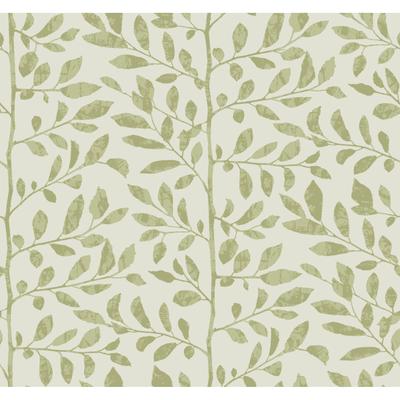
A-Street Prints Sagecrest Sage Sapling WallpaperOffering both botanical charms and an organic alternative to stripes, Sagecrest features spindly saplings with thin branches laden with leaves. Seen here with sage and moss green foliage against an ivory backdrop.153,00 $*Shipping: 0,00 $Secure redirect to the provider
-
A-Street Prints Sagecrest Black Sapling WallpaperOffering both botanical charms and an organic alternative to stripes, Sagecrest features spindly saplings with thin branches laden with leaves. Seen here with metallic gold foliage against a black backdrop.153,00 $*Shipping: 0,00 $Secure redirect to the provider
-
A-Street Prints Sagecrest Platinum Sapling WallpaperOffering both botanical charms and an organic alternative to stripes, Sagecrest features spindly saplings with thin branches laden with leaves. Seen here with metallic platinum foliage against a white backdrop.153,00 $*Shipping: 0,00 $Secure redirect to the provider
-
A-Street Prints Sagecrest Blue Sapling WallpaperOffering both botanical charms and an organic alternative to stripes, Sagecrest features spindly saplings with thin branches laden with leaves. Seen here with metallic silver foliage against a dusty blue backdrop.153,00 $*Shipping: 0,00 $Secure redirect to the provider
-
Can a lemon sapling recover?
Yes, a lemon sapling can recover if it has been damaged or stressed. With proper care and attention, such as providing the right amount of water, sunlight, and nutrients, a lemon sapling can recover from various issues such as overwatering, underwatering, nutrient deficiencies, or pest infestations. It may take some time for the sapling to fully recover, but with the right care, it can bounce back and continue to grow into a healthy lemon tree. **
-
How can one prune an oak sapling?
To prune an oak sapling, start by removing any dead or damaged branches. Next, identify any branches that are crossing or rubbing against each other and remove the weaker of the two. Additionally, prune any branches that are growing inwards towards the center of the tree to promote a healthy outward growth pattern. It's important to make clean cuts just above a bud or lateral branch to encourage new growth. Finally, avoid pruning during the spring and early summer when oak trees are most susceptible to disease. **
-
Can the chestnut sapling survive without a chestnut?
Yes, a chestnut sapling can survive without a chestnut. The chestnut is the seed that germinates to grow into a sapling, but once the sapling has established its own root system and is able to photosynthesize and absorb nutrients from the soil, it no longer relies on the original chestnut for survival. The chestnut seed provides the initial nutrients and energy for the sapling to grow, but once it becomes self-sufficient, it can continue to grow and thrive independently. **
-
How does a lemon sapling survive in winter?
A lemon sapling survives in winter by going dormant. During this period, the tree slows down its growth and conserves energy. The sapling also stores nutrients in its roots to sustain itself during the colder months. Additionally, lemon saplings are typically planted in well-draining soil and protected from harsh winter conditions to help them survive. **
Similar search terms for Sapling
-
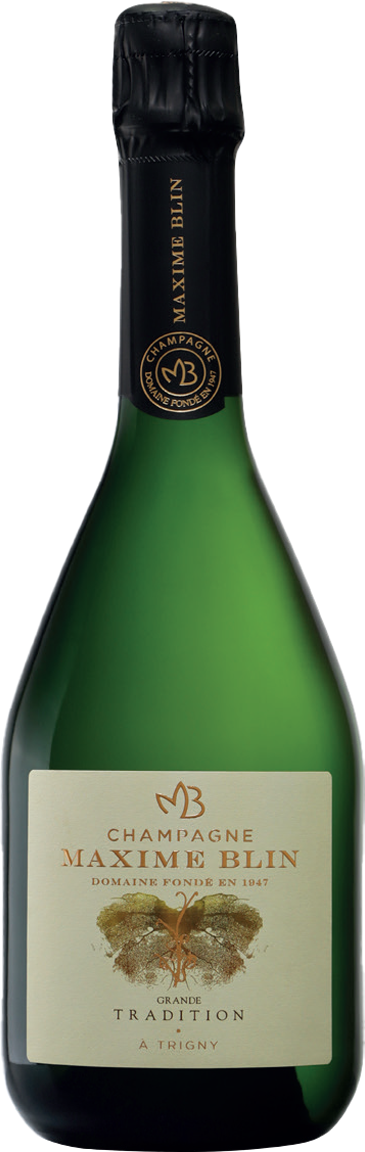
Champagne Brut 'Grande Tradition' Maxime BlinThe 'Grande Tradition' Brut Champagne from the French company Maxime Blin is a Champagne with a classic and refined style, reflecting the identity of the winery. This label is part of the 'Les Fondamentales' collection, a selection that brings together historical cuvées that fully embody the style of the Blin family, each focusing on a specific grape variety. In this particular case, the 'Grande Tradition' highlights the qualities of the Chardonnay cultivated in the Trigny area.The 'Grande Tradition' Maxime Blin Champagne comes from a blend of Chardonnay (90%) and Pinot Noir (10%) grapes grown under certified organic cultivation in the village of Trigny, within the Montagne de Reims area. Here, the vines enjoy excellent southern and south-eastern exposure and the sandy, clay-limestone soil matrix. Following the harvest, the grapes are subjected to a gentle pressing using a Coquard press, with the must thus obtained being transferred to stainless steel tanks for temperature-controlled alcoholic fermentation and subsequent complete malolactic fermentation. The vintage wine is then combined with 30% vins de réserve before bottle fermentation according to the Champenoise Method, combined with 36 months of maturation sur lattes. This is followed by dégorgement and final dosage as Extra Brut, with 4 g/l residual sugar.The 'Grande Tradition' Champagne Maxime Blin has a luminous straw yellow colour with a fine and persistent perlage. The aromatic bouquet expresses fragrant scents of citrus fruits and white flowers, surrounded by memories of bakery and mineral nuances. The taste is fresh, elegant and balanced, with a pleasant savoury trail that rests on a long citrus and mineral finish.57,00 £*Shipping: 48,00 £Secure redirect to the provider
-
Champagne Brut Grand Cru 'Tradition' GatinoisChampagne Gatinois Brut Grand Cru 'Tradition' reflects the structure and expressive depth of Champagne from Aÿ, a Grand Cru village located in the Vallée de la Marne, a few kilometres from Epernay. The village, where Pinot Noir reigns supreme with almost 90% of the entire vineyard area, is the largest of the Champagne villages with more than 4,000 inhabitants. Already famous in ancient times for the quality of its still wines, Aÿ is today established among the largest territories in all of Champagne for the cultivation of Pinot Noir.The Brut Grand Cru Champagne Gatinois 'Tradition' consists of a blend of Pinot Noir (80%) and Chardonnay (20%) grapes, varieties cultivated within the Grand Cru village of Aÿ on soils with a strong chalk component. In the cellar, the grapes undergo a soft pressing, followed by the alcoholic fermentation of the must and then the maturation of the vintage wine for a few months, which is then blended with 30% vin de reserve in the preparation of the sparkling wine base. This is followed by bottle fermentation according to the Champenoise Method, combined with at least 24-30 months of maturation on the lees in glass. This is followed by degorgement and final dosage as Brut, at 7 g/l residual sugar.The Champagne 'Tradition' Brut Grand Cru from the Gatinois sparkling wine company has a light, brilliant straw yellow colour with a refined perlage. Fresh aromas of pear, lime and white flowers emerge from the glass, supported by anelegant mineral timbre and deep hints of brioche and toasted hints. All complemented by the vinous note typical of Pinot Noir. Taste development endowed with excellent freshness and sapidity, with a good persistence in which the sensations previously perceived on the nose reappear.42,00 £*Shipping: 48,00 £Secure redirect to the provider
-
Which tree is the sapling in the lawn?
The sapling in the lawn is the young oak tree. It was planted last year and has been growing steadily. Its small size and delicate leaves make it easily distinguishable from the other trees in the lawn. With proper care and attention, it will eventually grow into a majestic oak tree, providing shade and beauty to the surrounding area. **
-
From when can I plant my chestnut sapling outside?
You can plant your chestnut sapling outside in the spring after the last frost has passed. This is typically around late April to early May, depending on your specific location and climate. Make sure the soil is well-drained and the sapling is placed in a sunny spot to ensure healthy growth. Water the sapling regularly, especially during the first growing season. **
-
How much does a tree sapling cost on average?
The cost of a tree sapling can vary depending on the species and size of the tree. On average, a small tree sapling can cost anywhere from $5 to $20. However, larger or more mature saplings can cost upwards of $50 or more. It's important to consider the specific needs and characteristics of the tree species when determining the cost of a sapling. **
-
How does a lemon sapling survive in the winter?
A lemon sapling can survive in the winter by being planted in well-draining soil and being protected from harsh winter winds. It is important to water the sapling sparingly during the winter months to prevent the roots from becoming waterlogged. Additionally, providing a layer of mulch around the base of the sapling can help insulate the roots and protect them from freezing temperatures. Finally, if the temperatures drop significantly, it may be necessary to cover the sapling with a frost cloth or bring it indoors to protect it from extreme cold. **
* All prices are inclusive of VAT and, if applicable, plus shipping costs. The offer information is based on the details provided by the respective shop and is updated through automated processes. Real-time updates do not occur, so deviations can occur in individual cases. ** Note: Parts of this content were created by AI.