Buy kalmykia.eu ?
We are moving the project
kalmykia.eu .
Are you interested in purchasing the domain
kalmykia.eu ?
domain@kv-gmbh.de · 0541-91531010
Buy kalmykia.eu ?
In this example: singular or singular?
In this example, the correct answer is singular. **
How can one recognize a nominative singular-neuter singular in Latin?
In Latin, a nominative singular-neuter singular noun can be recognized by its ending. Neuter nouns typically end in -um in the nominative singular form. For example, the word "templum" meaning temple is a neuter noun in the nominative singular form. Additionally, neuter nouns will have corresponding neuter singular endings in other cases, such as -i in the genitive singular and -o in the ablative singular. **


Similar search terms for Singular
Top-Angebote
Products related to Singular:
-
First Person Singular: mind-bending new collection of short stories from the internationally acclaimed author of NORWEGIAN WOOD by Haruki MurakamiDescription. A mindbending new collection of short stories from the unique, internationally acclaimed author of Norwegian Wood and The Wind-up Bird Chronicle.. THE SUNDAY TIMES BESTSELLER. The eight masterly stories in this new collection are all told in the first person by a classic Murakami narrator. From nostalgic memories of youth, meditations on music and an ardent love of baseball to dreamlike scenarios, an encounter with a talking monkey and invented jazz albums, together these stories challenge the boundaries between our minds and the exterior world. Occasionally, a narrator who may or may not be Murakami himself is present. Is it memoir or fiction? The reader decides.. Philosophical and mysterious, the stories in First Person Singular all touch beautifully on love and solitude, childhood and memory. . . all with a signature Murakami twist.. A GUARDIAN AND SUNDAY TIMES 'BOOKS OF 2021' PICK. Title. First Person Singular: mind-bending new collection of short stories from the internationally acclaimed author of NORWEGIAN WOOD by Haruki Murakami. Delivery. Content. Reviews99,99 £*Shipping: 0,00 £Secure redirect to the provider
-
David Crystal Collection 3 Books Bundle (Spell It Out: The singular story of English spelling, Making a Point: The Pernickety Story of English PunctuaDescription. Spell It Out: The singular story of English spelling,. Making a Point: The Pernickety Story of English Punctuation [Hardcover]. The Story of English in 100 Words. Title. David Crystal Collection 3 Books Bundle (Spell It Out: The singular story of English spelling, Making a Point: The Pernickety Story of English Punctuation [Hardcover], The Story of English in 100 Words). Delivery. Content. Reviews24,99 £*Shipping: 2,99 £Secure redirect to the provider


-
What is second person singular?
Second person singular is a grammatical category that refers to the person being spoken to or addressed directly. It is used when the speaker is talking to one individual. In English, second person singular pronouns include "you" and "your." This form of address is common in everyday conversations, instructions, and commands. **
-
Is "Luft" singular or plural?
"Luft" is a singular noun in German. It means "air" in English. **
-
Is it singular or plural?
The question "Is it singular or plural?" is asking whether the subject being referred to is one single entity (singular) or multiple entities (plural). This question is important in grammar as it helps determine the correct verb form to use in a sentence. By identifying whether a subject is singular or plural, we can ensure that the verb agrees in number with the subject for grammatical accuracy. **
-
'Singular or plural after audience?'
The word "audience" can be used with both singular and plural verbs, depending on the context. When referring to the audience as a collective group, a singular verb is used, such as "The audience is enjoying the performance." However, when referring to the individual members of the audience, a plural verb is used, such as "The audience are expressing their opinions." Therefore, it is important to consider the specific context in which "audience" is being used in order to determine whether a singular or plural verb should be used. **

What does 1 person singular mean?
1 person singular refers to the grammatical form used when a sentence is referring to only one individual. It is used when the subject of the sentence is "I" in English. This form is important in distinguishing between different subjects and their actions in a sentence. **
What is the 2nd person singular?
The 2nd person singular is a grammatical category used to address one individual directly. It is used when speaking to one person informally or formally, depending on the context. In English, the 2nd person singular pronoun is "you." **
Top-Angebote
Products related to Singular:
-
First Person Singular: Stories by Haruki Murakami - Fiction - HardbackTitle:. First Person Singular: Stories by Haruki Murakami Condition: BRAND NEW. Format: Hardcover. ISBN: 9781787302600 Overview:. First Person Singular gathers eight masterful short stories told in first person by a Murakami narrator who could be any one of his iconic protagonists—or perhaps the author himself stepping into the shoes of a nameless everyman. Across these pages you wander from the wistful glow of youth to late-night playlists and the pulse of ballgames, all filtered through Murakami's quintessential blend of longing, irony, and uncanny possibility. In these tales, memory is not a backdrop but a living force that reshapes ordinary moments into fable-like episodes. Music and baseball recur as motifs—soundtracks that guide heartbreak, chance encounters, and sudden shifts of reality. In one story a quiet jog through a familiar city becomes a doorway to dreamlike landscapes; in another a surreal conversation with a monkey unlocks a secret about desire. Another tale imagines jazz records that never existed, inviting readers to hear a new symphony between what happened and what might have happened. The question at the heart of the collection is arresting: is the voice we hear memoir, fiction, or something in between? The answer is left to you, the reader. What Makes This Book Stand Out:. First Person Singular shines because Murakami trains his attention on the most intimate corner of the human experience—the voice telling the story. In these eight stories, the first-person narrator anchors the reader in familiar streets while inviting you to drift into dreamlike detours, where memory becomes a playground and reality often wears a thin, musical veil. The collection plays with identity: some narrators feel unmistakably Murakami, others a closely observed stand-in, and a few whisper that they might be him in disguise. That subtle ambiguity, together with Murakami's calm, precise prose and wry humor, creates a reading experience that is both comforting and disorienting in the best possible way. Thematically, the stories loop around youth and longing—love, loss, and the almost supernatural resonance of everyday moments—while sprinkling in idiosyncratic elements like talking animals or fictional jazz albums that never existed. This is not just a set of novellas; it's a meditation on how memory, desire, and art refract our sense of self. For readers who relish literary fiction with a pulse, this collection is a quintessential Murakami experience. Who This Book Is Perfect For:. This book is perfect for adult readers who prize literary short fiction with heart and atmosphere. If you enjoy Murakami’s signature blend of lucid realism and dreamlike surprises, you’ll find these eight stories both intimate and expansive. It’s ideal for readers who savor reflective, thought-provoking prose, as well as fans of music, memories, and late-night Tokyo-inspired moods. Great for book clubs, gifting, and personal library collections, the hardcover makes a...8,99 £*Shipping: 2,99 £Secure redirect to the provider
-
Profile Books Spell It Out - The Singular Story Of English Spelling By Clive Upton - Non Fiction - PaperbackTitle:. The Singular Story of English Spelling Format: Paperback Overview:. Explore the fascinating journey behind the seemingly chaotic system we use to write English. In Spell It Out, acclaimed linguist and lexicographer Clive Upton unravels the complex history of English orthography, explaining how centuries of sound shifts, foreign borrowings, and technological leaps created the modern language. Rather than presenting spelling as a random collection of arbitrary rules, this engaging non-fiction work traces the real historical decisions, printing innovations, and social pressures that shaped written English. Readers will discover how medieval manuscript traditions clashed with Renaissance humanism, why French and Latin invasions left lasting marks on vocabulary, and how the printing press fossilised certain spellings forever. This tightly researched yet highly readable guide answers everyday questions about silent letters, unpredictable vowel pronunciation, and ongoing reform debates. Whether you are a curious casual reader or an educator seeking clear explanations, this volume delivers a compelling narrative that transforms frustration into fascination. The singular focus on orthography makes it an essential addition to any library dedicated to language evolution and human communication. The narrative carefully examines how dictionaries standardised conflicting practices while maintaining regional variations alive in everyday conversation. This comprehensive exploration provides a refreshing alternative to traditional grammar manuals, delivering historical context that enriches reading experiences across all genres and age groups. What Makes This Book Stand Out:. What sets this title apart is its brilliantly balanced approach to a subject that could easily become overly academic. Upton masterfully combines scholarly authority with conversational warmth, ensuring that complex theories of phonology and etymology remain completely accessible to general audiences. The author avoids dry textbook formatting, instead weaving together vivid anecdotes, historical timelines, and practical insights that keep every chapter moving forward. Each section builds logically upon the last, guiding readers from Anglo-Saxon roots through early modern standardisation and straight into digital age challenges. The narrative consistently highlights how political power, class divisions, and publishing economics influenced which spelling conventions survived. Beyond pure entertainment, the work equips readers with a deeper understanding of why English resists simple coding or rigid correction schemes. By framing spelling as a living historical record rather than a static regulation system, the author encourages empathy toward learners and writers. This thoughtful perspective ensures the content resonates far beyond linguistic specialists, making it a standout reference for clarity and curiosity. Who This Book Is Perfect For:. This guide appeals to English-speaking...10,99 £*Shipping: 2,99 £Secure redirect to the provider
-
First Person Singular: mind-bending new collection of short stories from the internationally acclaimed author of NORWEGIAN WOOD by Haruki MurakamiDescription. A mindbending new collection of short stories from the unique, internationally acclaimed author of Norwegian Wood and The Wind-up Bird Chronicle.. THE SUNDAY TIMES BESTSELLER. The eight masterly stories in this new collection are all told in the first person by a classic Murakami narrator. From nostalgic memories of youth, meditations on music and an ardent love of baseball to dreamlike scenarios, an encounter with a talking monkey and invented jazz albums, together these stories challenge the boundaries between our minds and the exterior world. Occasionally, a narrator who may or may not be Murakami himself is present. Is it memoir or fiction? The reader decides.. Philosophical and mysterious, the stories in First Person Singular all touch beautifully on love and solitude, childhood and memory. . . all with a signature Murakami twist.. A GUARDIAN AND SUNDAY TIMES 'BOOKS OF 2021' PICK. Title. First Person Singular: mind-bending new collection of short stories from the internationally acclaimed author of NORWEGIAN WOOD by Haruki Murakami. Delivery. Content. Reviews99,99 £*Shipping: 0,00 £Secure redirect to the provider
-
In this example: singular or singular?
In this example, the correct answer is singular. **
-
How can one recognize a nominative singular-neuter singular in Latin?
In Latin, a nominative singular-neuter singular noun can be recognized by its ending. Neuter nouns typically end in -um in the nominative singular form. For example, the word "templum" meaning temple is a neuter noun in the nominative singular form. Additionally, neuter nouns will have corresponding neuter singular endings in other cases, such as -i in the genitive singular and -o in the ablative singular. **
-
What is second person singular?
Second person singular is a grammatical category that refers to the person being spoken to or addressed directly. It is used when the speaker is talking to one individual. In English, second person singular pronouns include "you" and "your." This form of address is common in everyday conversations, instructions, and commands. **
-
Is "Luft" singular or plural?
"Luft" is a singular noun in German. It means "air" in English. **
Similar search terms for Singular
-
David Crystal Collection 3 Books Bundle (Spell It Out: The singular story of English spelling, Making a Point: The Pernickety Story of English PunctuaDescription. Spell It Out: The singular story of English spelling,. Making a Point: The Pernickety Story of English Punctuation [Hardcover]. The Story of English in 100 Words. Title. David Crystal Collection 3 Books Bundle (Spell It Out: The singular story of English spelling, Making a Point: The Pernickety Story of English Punctuation [Hardcover], The Story of English in 100 Words). Delivery. Content. Reviews24,99 £*Shipping: 2,99 £Secure redirect to the provider
-
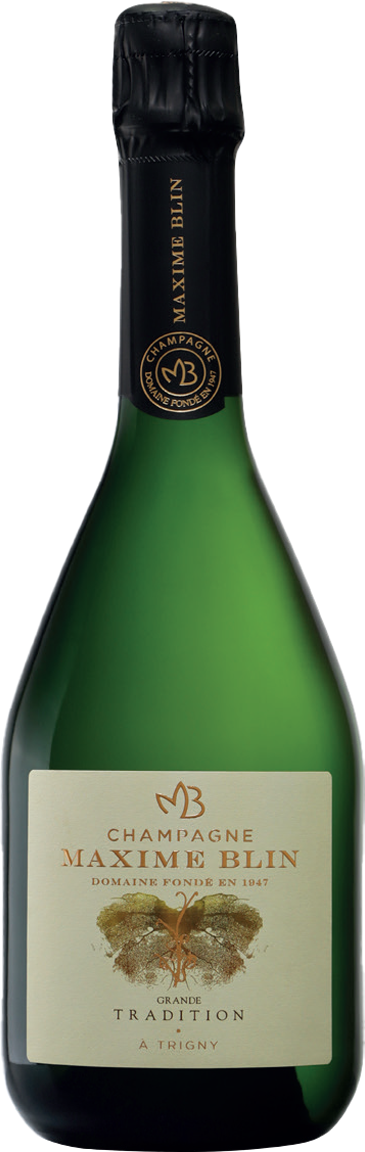
Champagne Brut 'Grande Tradition' Maxime BlinThe 'Grande Tradition' Brut Champagne from the French company Maxime Blin is a Champagne with a classic and refined style, reflecting the identity of the winery. This label is part of the 'Les Fondamentales' collection, a selection that brings together historical cuvées that fully embody the style of the Blin family, each focusing on a specific grape variety. In this particular case, the 'Grande Tradition' highlights the qualities of the Chardonnay cultivated in the Trigny area.The 'Grande Tradition' Maxime Blin Champagne comes from a blend of Chardonnay (90%) and Pinot Noir (10%) grapes grown under certified organic cultivation in the village of Trigny, within the Montagne de Reims area. Here, the vines enjoy excellent southern and south-eastern exposure and the sandy, clay-limestone soil matrix. Following the harvest, the grapes are subjected to a gentle pressing using a Coquard press, with the must thus obtained being transferred to stainless steel tanks for temperature-controlled alcoholic fermentation and subsequent complete malolactic fermentation. The vintage wine is then combined with 30% vins de réserve before bottle fermentation according to the Champenoise Method, combined with 36 months of maturation sur lattes. This is followed by dégorgement and final dosage as Extra Brut, with 4 g/l residual sugar.The 'Grande Tradition' Champagne Maxime Blin has a luminous straw yellow colour with a fine and persistent perlage. The aromatic bouquet expresses fragrant scents of citrus fruits and white flowers, surrounded by memories of bakery and mineral nuances. The taste is fresh, elegant and balanced, with a pleasant savoury trail that rests on a long citrus and mineral finish.57,00 £*Shipping: 48,00 £Secure redirect to the provider
-
Champagne Brut Grand Cru 'Tradition' GatinoisChampagne Gatinois Brut Grand Cru 'Tradition' reflects the structure and expressive depth of Champagne from Aÿ, a Grand Cru village located in the Vallée de la Marne, a few kilometres from Epernay. The village, where Pinot Noir reigns supreme with almost 90% of the entire vineyard area, is the largest of the Champagne villages with more than 4,000 inhabitants. Already famous in ancient times for the quality of its still wines, Aÿ is today established among the largest territories in all of Champagne for the cultivation of Pinot Noir.The Brut Grand Cru Champagne Gatinois 'Tradition' consists of a blend of Pinot Noir (80%) and Chardonnay (20%) grapes, varieties cultivated within the Grand Cru village of Aÿ on soils with a strong chalk component. In the cellar, the grapes undergo a soft pressing, followed by the alcoholic fermentation of the must and then the maturation of the vintage wine for a few months, which is then blended with 30% vin de reserve in the preparation of the sparkling wine base. This is followed by bottle fermentation according to the Champenoise Method, combined with at least 24-30 months of maturation on the lees in glass. This is followed by degorgement and final dosage as Brut, at 7 g/l residual sugar.The Champagne 'Tradition' Brut Grand Cru from the Gatinois sparkling wine company has a light, brilliant straw yellow colour with a refined perlage. Fresh aromas of pear, lime and white flowers emerge from the glass, supported by anelegant mineral timbre and deep hints of brioche and toasted hints. All complemented by the vinous note typical of Pinot Noir. Taste development endowed with excellent freshness and sapidity, with a good persistence in which the sensations previously perceived on the nose reappear.42,00 £*Shipping: 48,00 £Secure redirect to the provider
-
Is it singular or plural?
The question "Is it singular or plural?" is asking whether the subject being referred to is one single entity (singular) or multiple entities (plural). This question is important in grammar as it helps determine the correct verb form to use in a sentence. By identifying whether a subject is singular or plural, we can ensure that the verb agrees in number with the subject for grammatical accuracy. **
-
'Singular or plural after audience?'
The word "audience" can be used with both singular and plural verbs, depending on the context. When referring to the audience as a collective group, a singular verb is used, such as "The audience is enjoying the performance." However, when referring to the individual members of the audience, a plural verb is used, such as "The audience are expressing their opinions." Therefore, it is important to consider the specific context in which "audience" is being used in order to determine whether a singular or plural verb should be used. **
-
What does 1 person singular mean?
1 person singular refers to the grammatical form used when a sentence is referring to only one individual. It is used when the subject of the sentence is "I" in English. This form is important in distinguishing between different subjects and their actions in a sentence. **
-
What is the 2nd person singular?
The 2nd person singular is a grammatical category used to address one individual directly. It is used when speaking to one person informally or formally, depending on the context. In English, the 2nd person singular pronoun is "you." **
* All prices are inclusive of VAT and, if applicable, plus shipping costs. The offer information is based on the details provided by the respective shop and is updated through automated processes. Real-time updates do not occur, so deviations can occur in individual cases. ** Note: Parts of this content were created by AI.